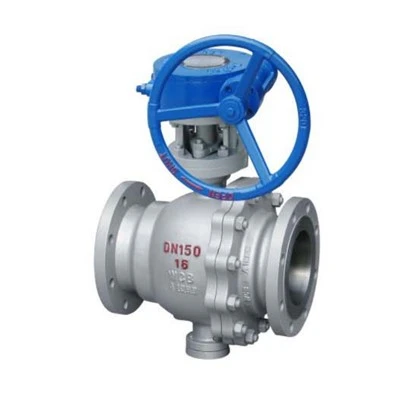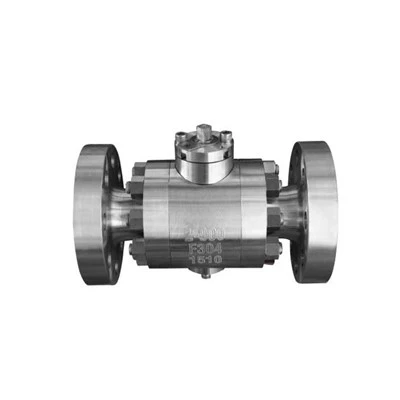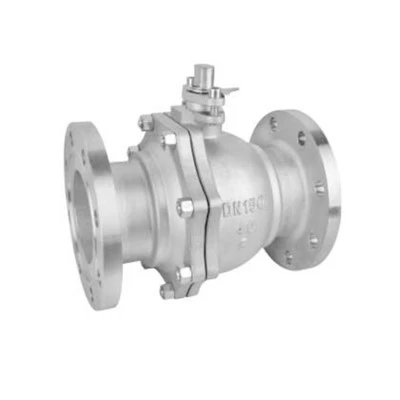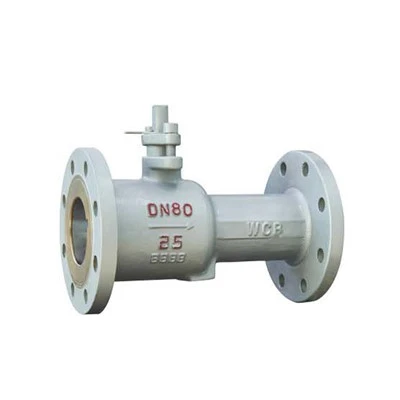

A butterfly valve is a rotary valve that controls pipeline flow by rotating a disc around the valve stem. Its compact construction, low weight, limited space requirements, and fast quarter-turn operation make it widely suitable for water and wastewater treatment, HVAC, chemical processing, oil and gas, and general industrial piping systems. Although the overall design is relatively simple, the precise interaction between the individual components has a direct effect on sealing performance, operating efficiency, and service life.
The valve body forms the main pressure-containing structure of the butterfly valve. It connects the valve to the pipeline and houses the disc, stem, and sealing components. Depending on the installation requirements, butterfly valves can be supplied in wafer, lug, or flanged configurations. Wafer designs are particularly compact and can be installed where space is limited. Lug-style designs provide convenient bolting arrangements and can simplify certain maintenance operations, while flanged configurations offer a robust connection for applications requiring a more substantial pipeline interface.
The disc is the primary flow-control and shut-off element. It is positioned inside the valve body and rotates around the stem axis. Changing the disc angle changes the effective flow passage through the valve. When the disc is aligned with the flow direction, the valve is open and the medium can pass through. As the disc rotates toward the closed position, it blocks the passage and works with the seat to provide shut-off.
The stem connects the disc to the operating mechanism and transfers the required torque. Different stem arrangements can be used depending on the valve design, size, and operating requirements. Larger butterfly valves may be equipped with gear operators to provide mechanical advantage, while automated installations can use pneumatic or electric actuators.
The valve seat is a critical sealing component. Its material and design must be compatible with the process medium, operating temperature, pressure, and other service conditions. Resilient seats can provide effective sealing for many conventional fluid applications, while metal-seated designs are better suited to certain high-temperature, high-wear, or demanding industrial services.
The operating mechanism can also vary according to the application. Smaller butterfly valves may use a manual lever, while larger valves can be fitted with gearboxes. Pneumatic and electric actuators provide options for remote operation, automatic shut-off, and integration with industrial control systems.
Overall, the main structural elements of a butterfly valve work together to provide efficient flow isolation and control. The valve body, disc, stem, seat, and operating mechanism must be properly matched to achieve reliable performance. A well-designed butterfly valve can provide dependable sealing while minimizing installation space, operating effort, and maintenance requirements, making it a practical solution for a wide range of fluid-handling systems.