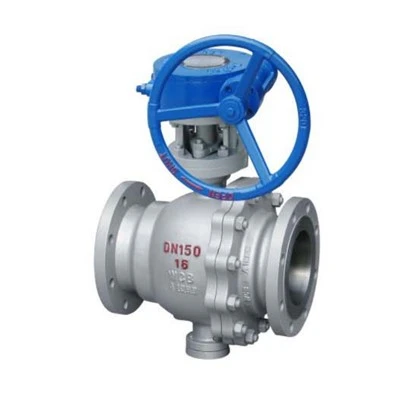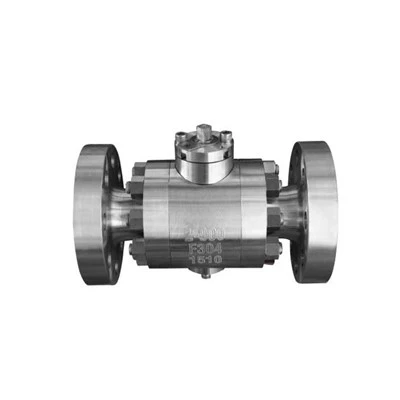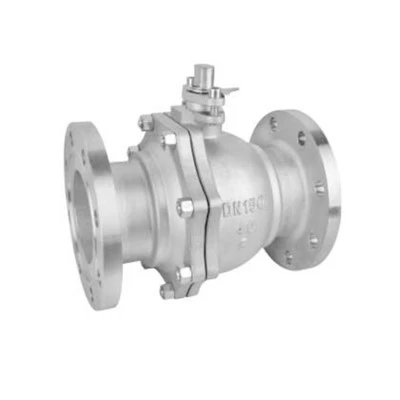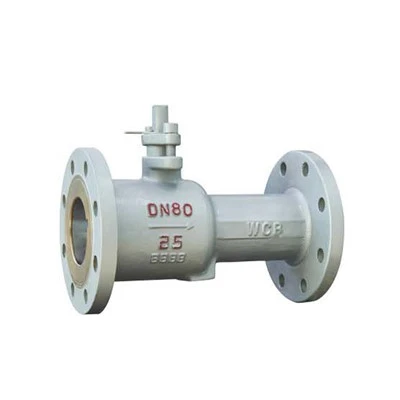

A butterfly valve is a rotary valve designed to control fluid movement through a pipeline by turning a disc around the valve stem. Its compact construction, quick quarter-turn operation, and relatively small installation footprint make it a practical solution for water and wastewater treatment, chemical processing, oil and gas, HVAC, and many general industrial applications. Depending on the valve design and service conditions, a butterfly valve can perform several important functions within a piping system.
Flow shut-off is the primary function of a butterfly valve. When the disc is rotated to a position approximately parallel to the pipeline, the valve is open and the medium can pass through the flow passage. As the disc turns toward a position perpendicular to the pipeline, it blocks the passage and stops the flow. Because most butterfly valves use a quarter-turn operating mechanism, the transition between open and closed positions can be completed with approximately 90 degrees of rotation, allowing rapid pipeline isolation.
Pipeline isolation is another important function. During equipment maintenance, pipeline inspection, or system servicing, closing a butterfly valve can isolate a specific section of the piping network. This allows maintenance work to be carried out without necessarily shutting down the entire system. In large water distribution networks and industrial facilities, strategically positioned butterfly valves can make maintenance more efficient and help limit the impact of localized repairs.
Butterfly valves can also provide a degree of flow regulation by changing the disc position. As the disc rotates, the effective flow area changes, which influences the amount of fluid passing through the valve. This makes butterfly valves suitable for basic flow adjustment in certain systems. However, where highly accurate and continuous flow control is required, a dedicated control valve may be more appropriate.
Automation is another important capability of modern butterfly valve systems. Pneumatic and electric actuators can be installed to enable remote operation, automatic shut-off, and integration with industrial or building control systems. This is particularly useful for large valves or installations where manual operation is difficult, time-consuming, or impractical.
Specialized butterfly valves can also be designed for demanding service environments. Depending on the application, suitable materials and configurations can provide improved corrosion resistance, temperature resistance, fire-safe performance, or hygienic characteristics. These options allow butterfly valves to be adapted to a wide variety of industrial requirements.
Overall, the main functions of a butterfly valve include flow shut-off, pipeline isolation, basic flow regulation, and automated operation. By selecting the appropriate valve design, materials, pressure rating, sealing arrangement, and actuation method for the actual service conditions, users can achieve reliable and efficient fluid control throughout the piping system.