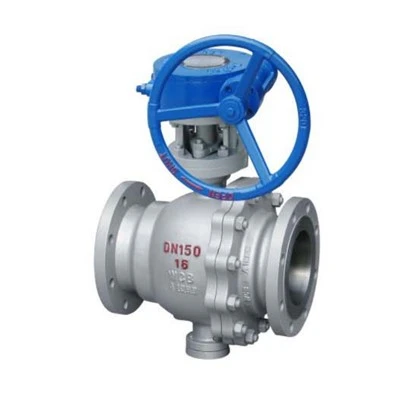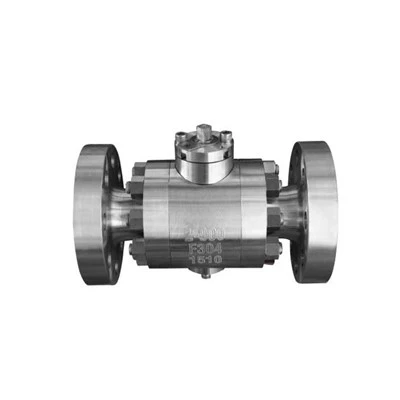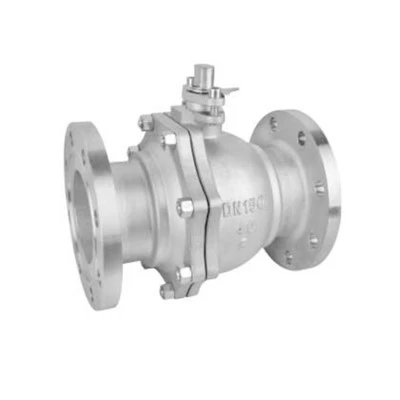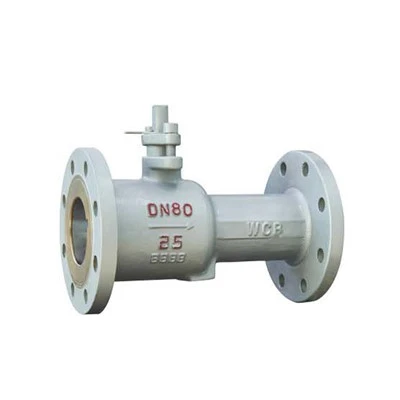

A butterfly valve is a rotary valve that controls fluid flow by rotating a disc-shaped closure element inside the valve body. The disc is mounted within the flow passage and connected to an external operating mechanism through a stem. As the disc rotates to different positions, it changes the effective flow area inside the pipeline, allowing the valve to isolate the flow and, in certain applications, provide a degree of flow regulation. Its compact construction, low weight, and fast operation have made the butterfly valve a widely used solution for modern fluid-handling systems.
The basic construction of a butterfly valve consists of a valve body, disc, stem, and seat. The valve body connects the valve to the pipeline and contains the internal components under system pressure. The disc is the primary flow-control element, while the stem transfers torque from the operating mechanism to the disc. The seat forms the sealing interface when the valve is closed. Depending on the application, butterfly valves can be operated manually or equipped with a handle, gearbox, pneumatic actuator, or electric actuator.
Butterfly valves are generally classified as quarter-turn valves because the disc typically rotates through approximately 90 degrees between the fully open and fully closed positions. When the disc is positioned approximately parallel to the pipeline, the flow passage is open and the medium can pass through the valve. As the disc rotates toward a position perpendicular to the pipeline, it blocks the flow passage and provides pipeline isolation.
Different butterfly valve designs are available to meet varying installation and operating requirements. Common configurations include wafer, lug, and flanged designs. Valve construction, stem arrangement, and sealing materials can also vary according to the pressure, temperature, process medium, and other service conditions. In automated industrial systems, pneumatic and electric actuators can be used to provide remote operation and integration with process control systems.
Butterfly valves are used across a wide range of industries. In water supply and wastewater treatment systems, they are commonly used for pipeline isolation and flow control. Chemical, oil, and gas applications may require specific body and seat materials to ensure compatibility with the process medium. Butterfly valves are also widely used in HVAC systems for controlling chilled water, cooling water, and other circulating fluids.
In simple terms, a butterfly valve is a compact fluid-control device that uses a rotating disc to regulate or shut off flow. Its straightforward construction, quick quarter-turn operation, low weight, and efficient use of installation space make it suitable for many piping applications. Selecting the appropriate valve type, materials, sealing configuration, and actuation method according to the actual service conditions is essential for achieving reliable and long-term performance.