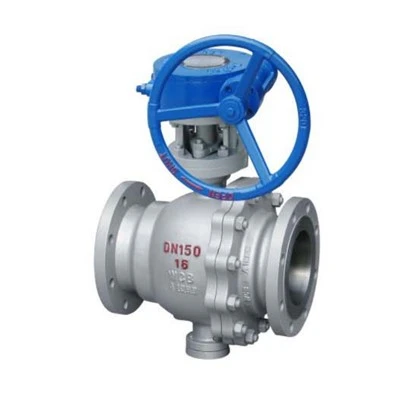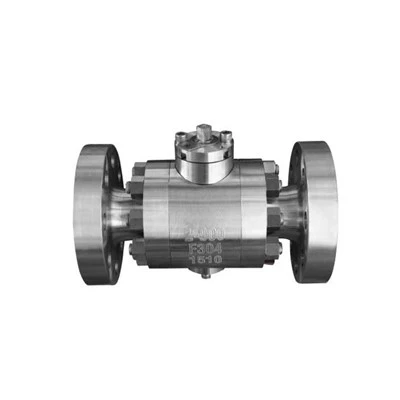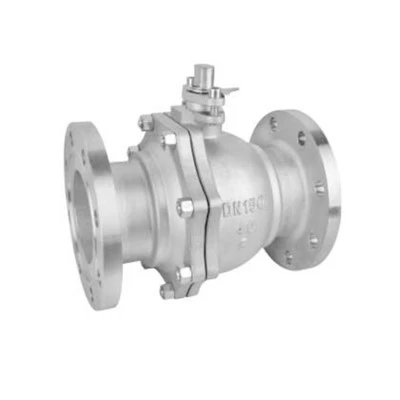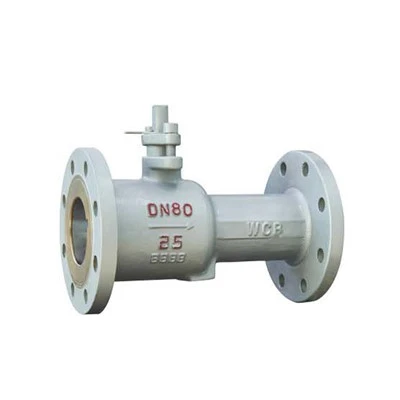

A butterfly valve is a rotary valve that uses a disc-shaped closure element to control fluid flow within a piping system. The disc rotates around the valve stem to open, restrict, or shut off the flow passage. With its compact construction, low weight, quick operation, and relatively low operating torque, the butterfly valve is widely used in water and wastewater treatment, chemical processing, oil and gas, HVAC, food processing, and general industrial piping applications.
The primary components of a butterfly valve include the valve body, disc, stem, and seat. The valve body connects the valve to the pipeline and contains the internal components under operating pressure. The disc is positioned in the flow path and serves as the main flow-control element. The stem connects the disc to the external operating mechanism and transfers torque from a handle, gearbox, or actuator. The valve seat provides the sealing interface between the disc and valve body when the valve is closed.
The operating principle of a butterfly valve is based on the rotational movement of the disc. When the disc is positioned approximately parallel to the pipeline, the valve is fully open and the process medium can pass through the flow passage. In this position, the disc creates relatively little obstruction to the flow, allowing the valve to maintain good flow capacity while occupying limited space within the piping system.
As the disc rotates away from the fully open position, it increasingly restricts the flow passage. The changing position of the disc alters the effective flow area and consequently affects the flow rate. This makes butterfly valves capable of providing a degree of flow regulation, although their suitability for throttling depends on the valve design and the specific operating conditions.
When the disc rotates to a position approximately perpendicular to the pipeline, the valve reaches the closed position. The disc blocks the main flow passage and presses against the seat to create a seal, preventing the process medium from passing through. Most butterfly valves use a quarter-turn operating mechanism, allowing the valve to move between open and closed positions with approximately 90 degrees of rotation. This quick operation makes butterfly valves particularly suitable for pipeline isolation and systems that require frequent valve operation.
Different actuation methods are available to meet various application requirements. Manual butterfly valves are suitable for basic flow isolation, while gearbox-operated designs can provide greater mechanical advantage for larger valves. Pneumatic and electric actuators can be used where remote operation, automatic control, or integration with an industrial control system is required. Valve body and seat materials should also be selected according to the process medium, operating temperature, pressure, and environmental conditions.
Overall, a butterfly valve controls fluid flow by rotating a disc within the pipeline. Its compact structure, lightweight design, fast quarter-turn operation, and convenient installation make it a practical solution for a wide range of fluid-handling systems. Proper selection of the valve type, materials, sealing arrangement, and actuation method is essential for achieving reliable performance and long-term service life.