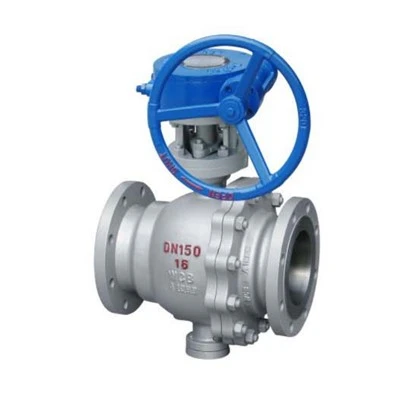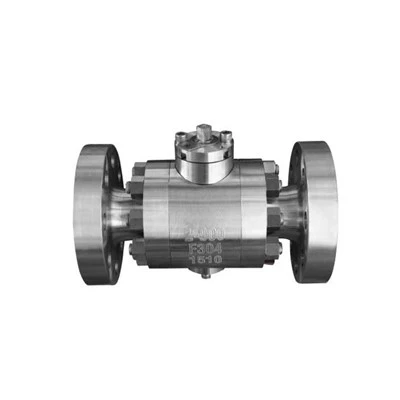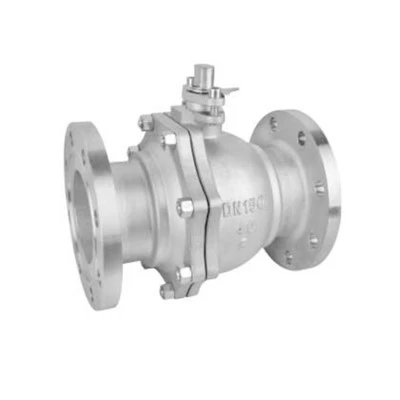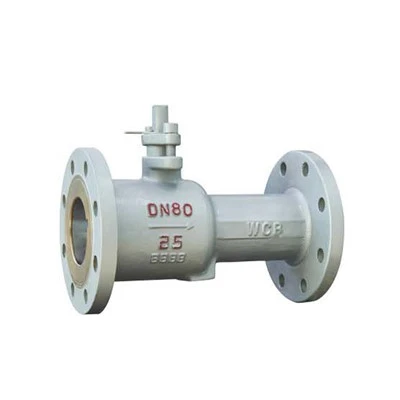

Ball valves are widely used in industrial piping, water supply systems, HVAC equipment, and a variety of fluid-handling applications. Although their construction is relatively simple and operation is straightforward, long-term exposure to process media, temperature, pressure, operating frequency, and environmental conditions can affect valve performance. Proper routine maintenance helps identify potential problems early, reduce the risk of leakage and operating failures, and extend the service life of the valve.
Routine maintenance should begin with a visual inspection. The valve body, stem, end connections, and sealing areas should be checked regularly for signs of leakage, corrosion, cracking, or physical damage. Ball valves installed outdoors or in humid environments require particular attention to surface corrosion. Any abnormal condition should be investigated promptly to prevent a minor issue from developing into a more serious failure.
Keeping the valve and its surrounding area clean is also important. Dust, grease, and other contaminants can accumulate around the stem, handle, or actuator and interfere with normal operation. The exterior of the valve should therefore be cleaned regularly, and the operating area should be kept free of objects that could restrict the movement of the handle or actuator. Cleaning methods should be compatible with the valve materials and sealing components to avoid unnecessary damage.
For manually operated ball valves, the handle and stem should be checked periodically to ensure smooth operation. A properly functioning valve should move between the open and closed positions without excessive resistance. If the valve becomes unusually difficult to operate, sticks during movement, or produces abnormal noise, it should not be forced. The ball, seats, stem, and related components should be inspected to identify the cause.
Pneumatic and electric ball valves require additional attention to their actuation systems. The actuator, air supply, electrical connections, control signals, and mounting arrangement should be checked regularly to ensure that the valve responds correctly to operating commands. Any abnormal actuator behavior should be addressed before it affects the performance of the overall system.
Ball valves that remain unused for extended periods should not be completely neglected. Where appropriate, periodic operational checks can help confirm that the valve has not become stuck after prolonged inactivity. At the same time, unnecessary disassembly should be avoided unless it is required for inspection or maintenance and can be carried out according to the manufacturer's instructions.
Sealing components deserve particular attention during routine maintenance. Valve seats, stem packing, and other sealing elements can gradually deteriorate due to aging, wear, temperature, pressure, or exposure to the process medium. If persistent leakage is detected, the valve should be taken out of service when necessary and inspected. Worn or damaged sealing components should be replaced with suitable parts.
Overall, effective ball valve maintenance is based on consistent inspection, proper cleaning, correct operation, and timely replacement of worn components. Establishing a practical maintenance routine can help preserve sealing performance, maintain smooth operation, reduce unexpected failures, and support the safe and reliable operation of the entire piping system.