
Ball valves are widely used in oil and gas, chemical processing, water treatment, food and beverage, pharmaceutical, and general industrial piping systems. Different applications require different valve materials, designs, pressure ratings, and sealing solutions. For this reason, selecting a ball valve should involve more than comparing price or appearance. The valve must be matched carefully to the actual operating conditions to ensure reliable performance, reduce maintenance costs, and achieve a long service life.
The process medium is one of the most important factors to consider. Water, air, steam, oil, and chemical fluids have different physical and chemical properties, which can significantly affect material selection. Stainless steel ball valves, for example, provide good corrosion resistance and are suitable for many industrial applications. For highly corrosive, high-temperature, or otherwise demanding media, the valve body, ball, seats, and other wetted components should be selected according to the specific service conditions.
Operating pressure and temperature are equally important. The valve's pressure class and temperature range must be suitable for the actual piping system. A valve with an insufficient pressure rating may compromise system safety, while selecting a significantly higher rating than necessary can increase equipment costs without providing a practical benefit. The maximum operating pressure, normal temperature, and possible fluctuations should all be considered during the selection process.
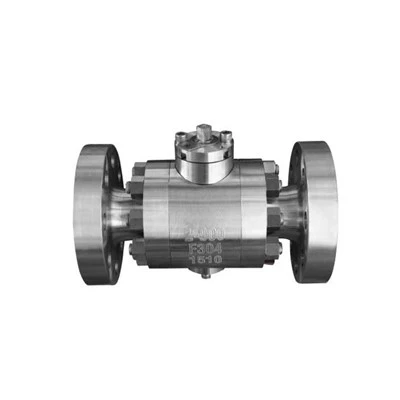
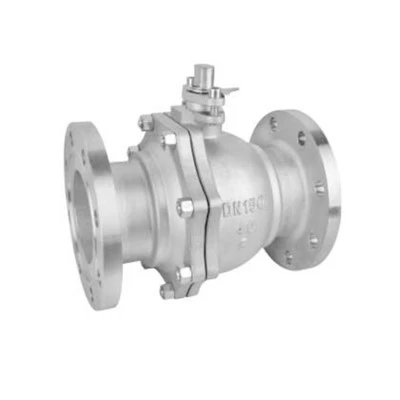
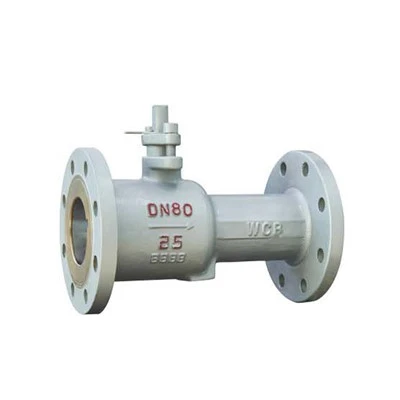
Pipeline size and end connection also need to be evaluated. The nominal valve size should be compatible with the pipeline, while the end connection should match the installation requirements. Threaded, flanged, socket-weld, and butt-weld connections are commonly available. For equipment that requires frequent inspection or maintenance, a valve construction that allows convenient access and disassembly may offer significant advantages.
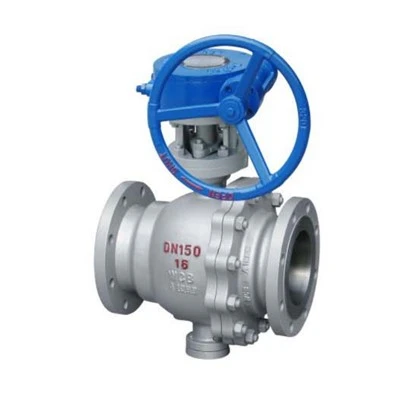
The valve design should also be selected according to its intended function. Standard ball valves are generally well suited to on-off service and fluid isolation. Larger or higher-pressure systems may require designs such as trunnion-mounted ball valves, depending on the application. The actuation method should be selected according to the required level of control. Manual ball valves are suitable for straightforward operation, while pneumatic and electric actuators can provide remote or automated control.
Seat material and sealing performance are also critical considerations. Materials such as PTFE, reinforced PTFE, and PEEK offer different levels of temperature resistance, wear resistance, and chemical compatibility. The appropriate seat material should therefore be selected based on the process medium and operating conditions rather than using a standard option for every application.
Choosing the right ball valve requires a comprehensive assessment of the process medium, pressure, temperature, pipeline size, end connection, valve design, sealing materials, and operating method. A valve that is correctly matched to the application can provide reliable flow isolation, stable performance, and long-term value while helping to maintain the safety and efficiency of the entire piping system.