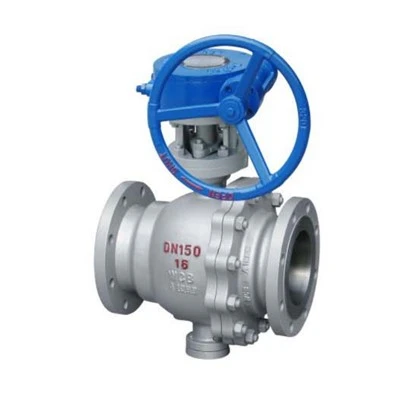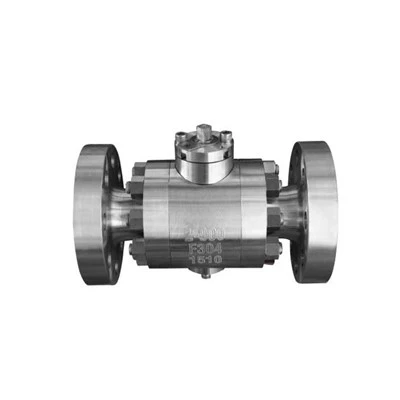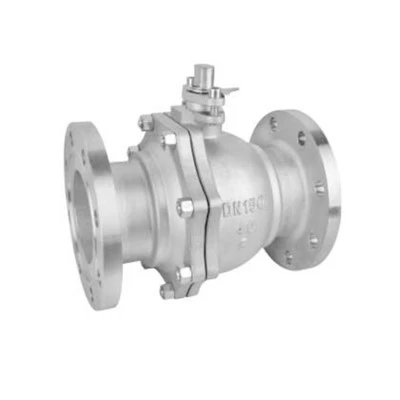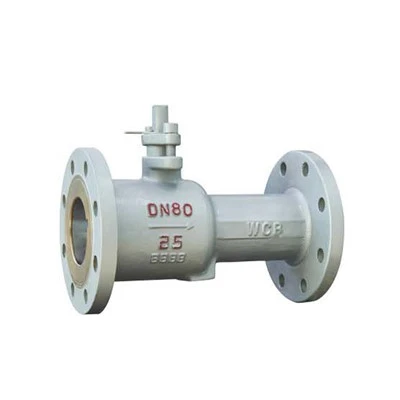

Ball valves are widely used in piping systems because of their compact construction, fast quarter-turn operation, convenient handling, and reliable sealing performance. They can be found in industrial pipelines, water supply systems, HVAC equipment, and many other fluid-handling applications. To maintain safe and dependable performance over the long term, ball valves must be properly selected, installed, operated, and maintained according to the actual service conditions.
Proper valve selection is the first step toward reliable operation. The valve should be chosen based on the process medium, operating pressure, temperature, pipeline size, and the corrosive or abrasive properties of the fluid. Materials used for the valve body, ball, seats, and other wetted components must be compatible with the medium. Applications involving high temperatures, high pressures, corrosive fluids, or other demanding conditions require valves specifically designed for those environments. Valve selection should never be based solely on appearance or purchase price.
Before installation, the valve model, size, pressure rating, and end connection should be checked against the requirements of the piping system. The valve should also be inspected to ensure that the internal passage is clean and free of foreign matter. During installation, the pipeline should be properly cleaned to prevent welding debris, metal particles, dust, or other contaminants from entering the valve. Foreign particles can damage the ball or valve seats and may lead to sealing problems.
Ball valves should always be operated according to the manufacturer's specifications. A manual ball valve normally requires only a 90-degree rotation to move between the open and closed positions. Excessive force or makeshift tools should not be used to operate a valve that is difficult to turn. For valves equipped with pneumatic or electric actuators, the actuator should be correctly matched to the valve and operated according to the requirements of the control system.
Regular inspection is also important, particularly for ball valves installed in critical or continuously operating systems. Valve stems, seats, end connections, and sealing areas should be checked for leakage, corrosion, abnormal wear, or increased operating torque. If unusual conditions are detected, the valve should be inspected promptly and repaired or replaced when necessary.
It is also important to use each ball valve according to its intended service. Standard ball valves are generally designed for on-off isolation rather than continuous precision throttling. Keeping a conventional ball valve partially open for extended periods can expose the ball and seats to increased flow velocity, erosion, or wear, potentially reducing service life and sealing performance.
Overall, proper selection, correct installation, appropriate operation, and routine maintenance are essential for achieving reliable ball valve performance. Understanding the actual operating conditions and following the manufacturer's technical recommendations can help reduce the risk of valve failure, extend service life, and maintain the safety and stability of the entire piping system.