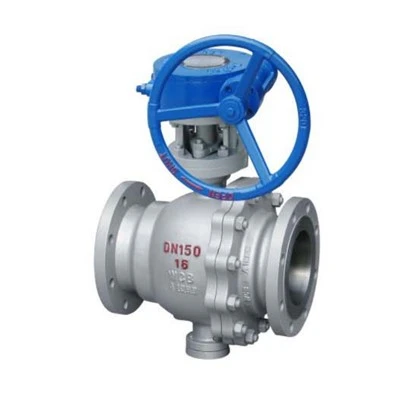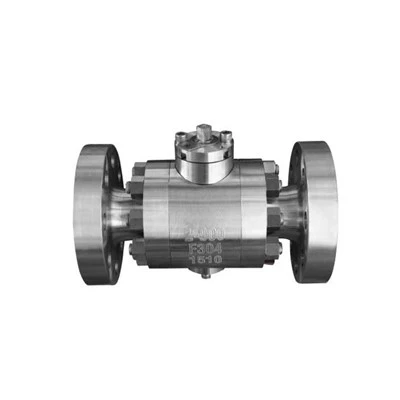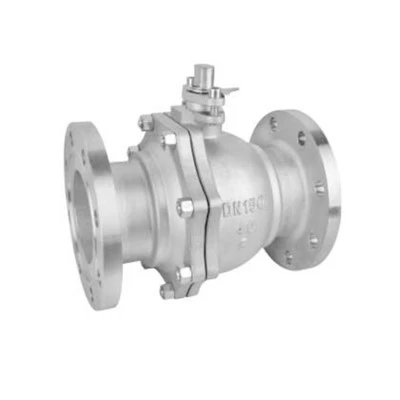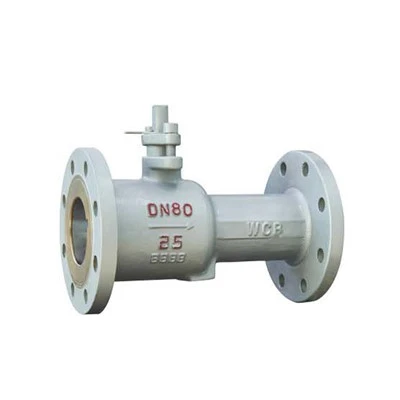

A ball valve is an industrial valve that controls fluid flow by rotating a spherical closure element inside the valve body. Its internal construction has a direct impact on sealing performance, operating efficiency, durability, and overall reliability. Compared with many other valve designs, ball valves offer a compact structure, fast quarter-turn operation, a relatively unobstructed flow path, and convenient operation. These characteristics make them widely used in oil and gas, chemical processing, water treatment, food and beverage, pharmaceutical, and general industrial piping systems.
The main components of a typical ball valve include the valve body, ball, valve seats, stem, and operating mechanism. The valve body is the primary pressure-containing component. It houses the internal parts and provides the connection between the valve and the pipeline. Depending on the design and maintenance requirements, ball valves are commonly manufactured with one-piece, two-piece, or three-piece bodies. Each construction offers different advantages in terms of compactness, installation, serviceability, and maintenance.
The ball is the primary flow-control element. It contains a precisely machined bore that forms the flow passage through the valve. The stem rotates the ball to change the position of the bore and control the flow. When the bore is aligned with the pipeline, the valve is open and the medium can pass through. Rotating the ball approximately 90 degrees moves the bore away from the flow path and places the valve in the closed position.
The valve seats are responsible for creating a seal between the ball and the valve body. When the valve is closed, the seats maintain close contact with the ball to minimize the possibility of leakage. Seat materials are selected according to the process medium, operating pressure, temperature, and other service conditions. Common materials include PTFE, reinforced PTFE, PEEK, and other engineered sealing materials.
The stem connects the ball to the external operating mechanism and transfers torque to rotate the ball. Some industrial ball valves incorporate a blowout-proof stem design to improve operational safety. Depending on the application, the valve can be operated manually with a lever handle or fitted with a gearbox, pneumatic actuator, or electric actuator.
Another important structural characteristic is the relatively direct flow path through the valve. Full-port ball valves, in particular, provide a flow passage that closely matches the internal diameter of the pipeline, helping to reduce flow resistance and pressure loss. Depending on the application, additional safety features such as anti-static devices, locking mechanisms, and fire-safe designs may also be incorporated.
Overall, the performance of a ball valve depends heavily on the precise interaction between its main components. The valve body, ball, seats, and stem work together to provide fast operation and dependable shut-off. Selecting the appropriate construction, materials, pressure rating, and actuation method according to the actual service conditions can help improve valve reliability, safety, and service life in industrial piping systems.