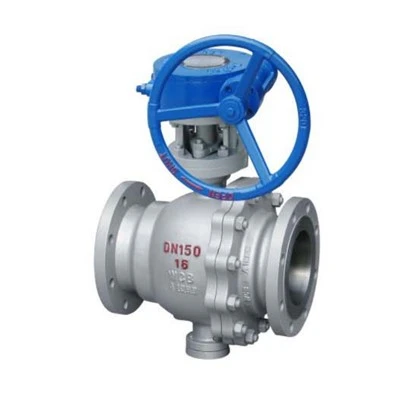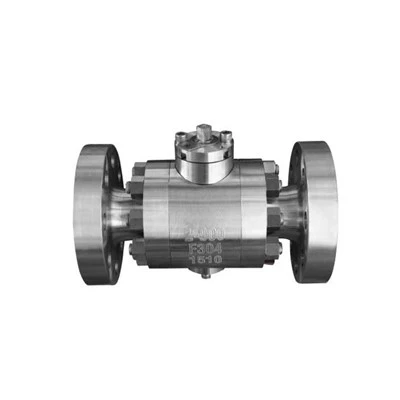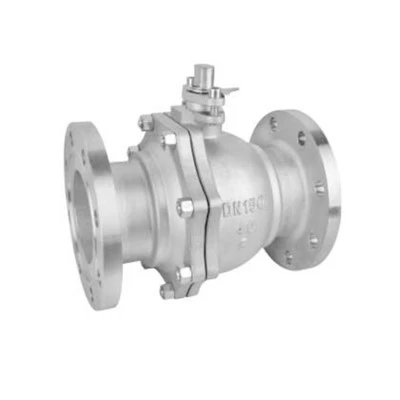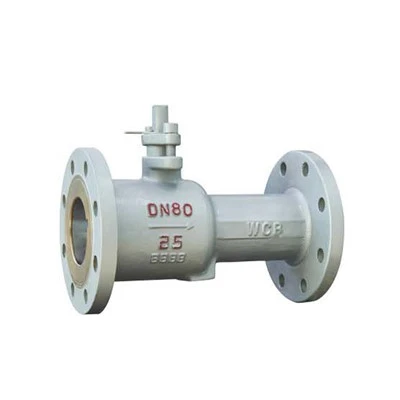

A ball valve is a widely used industrial valve designed to control and isolate fluid flow within a piping system. It operates by rotating a spherical closure element inside the valve body. Thanks to its compact construction, quarter-turn operation, fast shut-off, and dependable sealing performance, the ball valve is widely used in oil and gas, chemical processing, water treatment, food and beverage, pharmaceutical, power generation, and general industrial applications. Different designs, materials, and actuation methods are available to suit specific operating requirements.
Fast shut-off is one of the primary functions of a ball valve. Most ball valves use a quarter-turn mechanism, allowing the ball to rotate approximately 90 degrees between the fully open and fully closed positions. This simple operating principle enables rapid isolation of a pipeline and is particularly useful in systems where quick shut-off or frequent operation is required.
Fluid isolation is another important function. When the ball is rotated to the closed position, it works together with the valve seats to create a tight seal and prevent the process medium from passing through the valve. Reliable isolation is especially important during equipment maintenance, pipeline servicing, system shutdowns, and emergency situations, helping to improve overall operational safety.
Certain ball valve designs can also be used for flow control. By positioning the ball at different angles, the effective flow passage can be changed to influence the flow rate. However, ball valves are generally better suited to on-off service than precision throttling. For applications requiring accurate and continuous flow regulation, a dedicated control valve may provide better performance and stability.
Ball valves can also be configured for a wide range of operating media. Depending on the application, valve bodies may be manufactured from stainless steel, carbon steel, alloy materials, or other suitable materials. Seat materials such as PTFE, reinforced PTFE, and PEEK can be selected according to the operating temperature, pressure, and characteristics of the process medium.
With the development of industrial automation, ball valves can be equipped with pneumatic or electric actuators and integrated with control systems. This allows valves to be operated remotely and incorporated into automated processes, making them suitable for production lines, process control systems, and applications where fast and dependable valve response is required.
Overall, the main functions of a ball valve include rapid shut-off, reliable fluid isolation, basic flow control, and automated operation when equipped with an actuator. Selecting the appropriate valve design, material, pressure rating, seat configuration, and actuation method according to the actual operating conditions can help ensure safe, stable, and reliable performance in industrial piping systems.