
A ball valve is a type of industrial valve that uses a spherical closure element to control the flow of fluid through a piping system. The ball contains a precisely machined bore that acts as the flow passage. When the bore is aligned with the pipeline, fluid can pass through the valve with relatively little obstruction. When the ball is rotated away from the flow path, the solid portion of the ball blocks the passage and shuts off the flow. Because most ball valves require only a 90-degree rotation to move between the fully open and fully closed positions, they are commonly classified as quarter-turn valves.
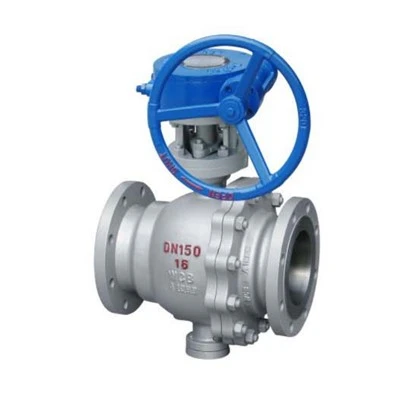
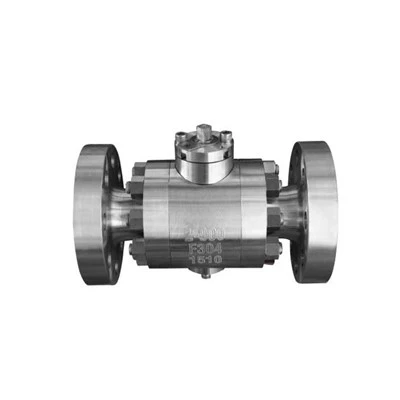
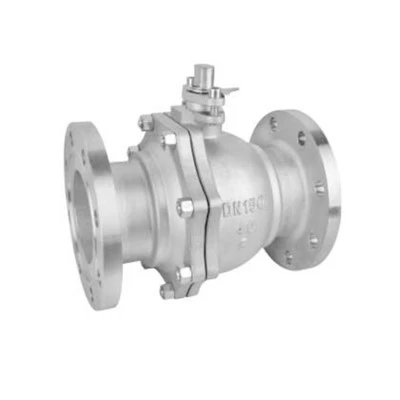
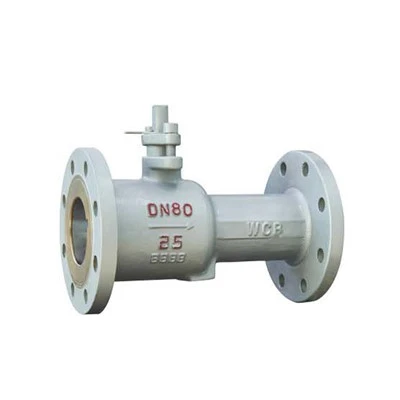
A typical ball valve consists of a valve body, ball, valve seats, stem, and an operating mechanism. The valve body contains the pressure-bearing components and provides the connection to the piping system. The ball controls the flow passage, while the valve seats provide sealing around the ball. The stem transfers the operating force from the handle or actuator to the ball. Depending on the application, a ball valve can be operated manually or fitted with a gearbox, pneumatic actuator, or electric actuator for remote and automated operation.
Ball valves are widely recognized for their compact construction, quick shut-off, relatively low flow resistance, and dependable sealing performance. When fully open, the bore of the ball is aligned with the pipeline, creating a relatively direct flow path and helping to minimize pressure loss. When the valve is fully closed, the ball and valve seats work together to isolate the upstream and downstream sides of the pipeline and prevent unwanted fluid flow.
Ball valves are available in different designs, materials, and connection configurations. Common body constructions include one-piece, two-piece, and three-piece designs. Depending on installation requirements, they may feature threaded, flanged, socket-weld, or butt-weld connections. Based on the ball support arrangement, ball valves can also be classified as floating ball valves or trunnion-mounted ball valves. Each design is suited to specific pressure, temperature, fluid, and operating conditions.
Ball valves are used across a wide range of industries, including oil and gas, chemical processing, water treatment, food and beverage, pharmaceuticals, power generation, and general industrial piping. Proper valve selection requires consideration of the process medium, operating pressure, temperature, body and seat materials, end connection, and method of operation.
In general, a ball valve is a rotary valve designed to provide fast and reliable flow shut-off by turning a spherical closure element. Its versatile construction and dependable operating characteristics make it an important solution for fluid isolation and flow control in modern piping systems.