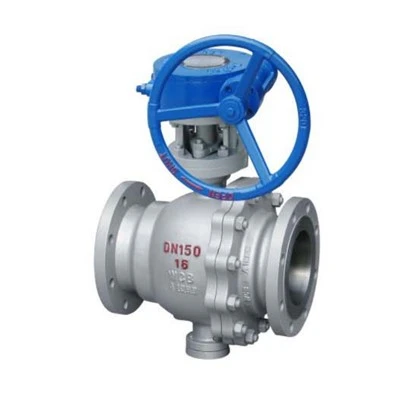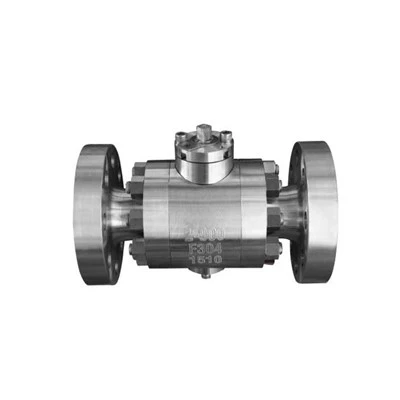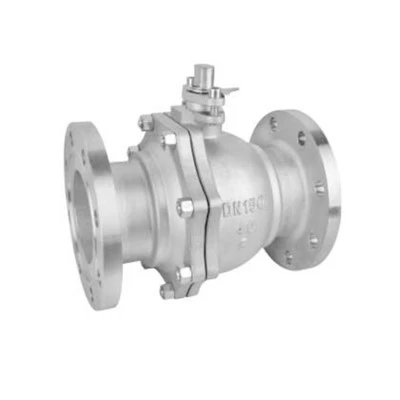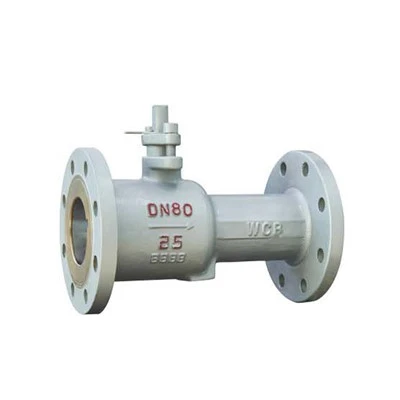

A ball valve is one of the most widely used quarter-turn valves for controlling the flow of fluids in piping systems. It is commonly found in industries such as oil and gas, chemical processing, water treatment, food and beverage, pharmaceuticals, and general industrial applications. Its low flow resistance, fast operation, reliable shut-off performance, and simple design make it an important component in modern fluid control systems.
The main components of a ball valve include the valve body, valve seats, ball, and stem. The ball contains a central bore that allows fluid to pass through when aligned with the pipeline. By rotating the ball, the valve can quickly switch between the open and closed positions. When the bore is aligned with the direction of the pipeline, the valve is fully open and the medium can flow through with minimal resistance. When the ball is rotated 90 degrees, the solid part of the ball blocks the flow path, placing the valve in the fully closed position.
The valve stem plays an important role in transmitting the operating force from the handle or actuator to the ball. Depending on the application, a ball valve can be operated manually with a lever handle or automatically using a pneumatic or electric actuator. In industrial systems that require a higher level of automation, actuated ball valves can be integrated into control systems for remote operation and automated process management.
Sealing is achieved through close contact between the ball and the valve seats. When the valve is closed, the seats maintain a tight seal around the ball to help prevent fluid leakage. The seat material can be selected according to the operating conditions. Common options include PTFE, reinforced PTFE, PEEK, and other engineered materials designed for specific temperatures, pressures, and media.
Ball valves are available in a variety of designs and connection configurations, including one-piece, two-piece, and three-piece constructions, as well as threaded, flanged, socket-weld, and butt-weld connections. The appropriate design depends on factors such as pressure rating, operating temperature, fluid characteristics, installation requirements, and maintenance needs.
In general, a ball valve controls fluid flow by rotating a precisely machined ball inside the valve body. Its compact construction, quick quarter-turn operation, and dependable sealing performance make it suitable for a wide range of industrial applications. Selecting the correct valve material, pressure rating, seat material, and end connection is essential for ensuring safe, reliable, and long-term performance in a piping system.