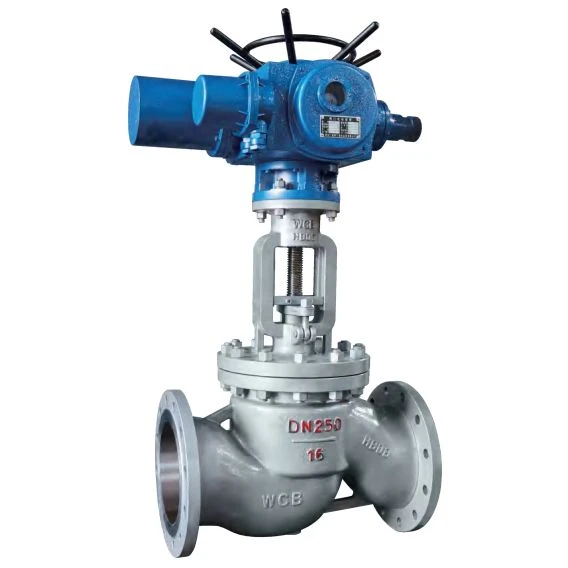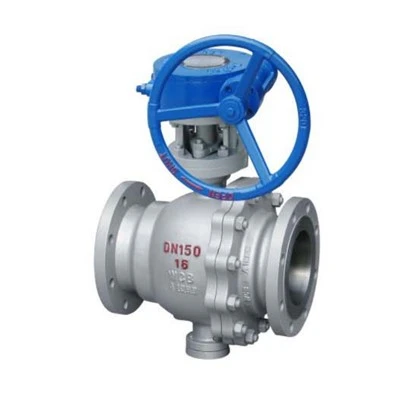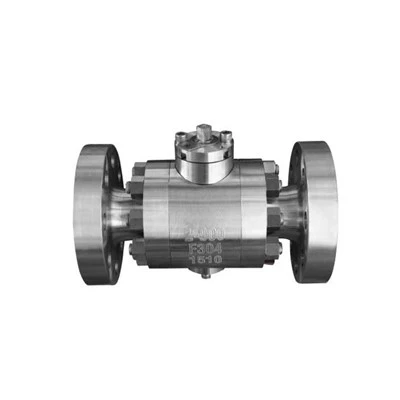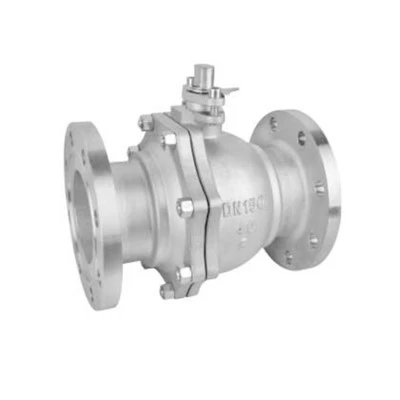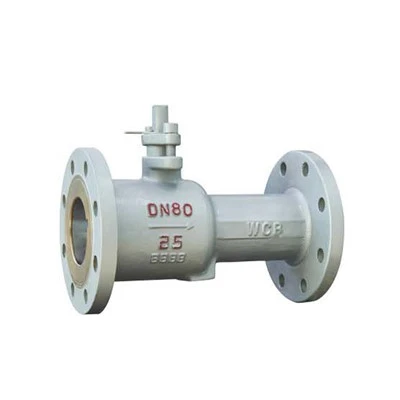

A globe valve is a widely used industrial valve that controls fluid flow by moving a disc toward or away from a stationary seat. The vertical movement of the disc changes the opening available to the process medium, allowing the valve to provide both shut-off and flow regulation. Compared with valves primarily intended for fully open or fully closed service, globe valves offer greater control over flow, making them common in oil and gas, chemical processing, power generation, water treatment, pharmaceutical production, and industrial process systems.
A typical globe valve consists of a valve body, bonnet, stem, disc, seat, and operating mechanism. The valve body contains the internal flow passage, while the seat forms the stationary sealing surface. The disc is connected to the stem and moves vertically as the handwheel or actuator is operated. This movement changes the distance between the disc and seat and therefore controls the amount of fluid that can pass through the valve.
When the globe valve is fully open, the stem lifts the disc away from the seat, creating a larger flow passage. The process medium can then move through the valve body and continue through the pipeline. Because the flow path inside a globe valve typically changes direction around the disc and seat, a fully open globe valve generally produces more pressure loss than some other isolation valve designs.
When the valve is closed, the operating mechanism moves the stem downward and brings the disc progressively closer to the seat. As the opening becomes smaller, the available flow area decreases and the flow rate is reduced. When the disc makes full contact with the seat, the passage is closed and the valve provides shut-off. The condition of the disc and seat surfaces is therefore important to sealing performance.
One of the key characteristics of a globe valve is its ability to regulate flow. By positioning the disc between the fully open and fully closed positions, operators can adjust the flow rate according to process requirements. This makes globe valves useful where changes in flow, pressure, or other process parameters need to be controlled. However, prolonged operation at very small openings may expose the disc and seat to high-velocity flow and increased wear, so operating conditions should be considered carefully.
Globe valves are available in several body and flow-path configurations, including conventional, angle, and axial-flow designs. Different configurations can provide advantages for particular piping layouts and service conditions. For high-temperature, high-pressure, or chemically aggressive applications, the valve body, trim, sealing materials, and pressure rating must be selected to match the process requirements.
Overall, a globe valve operates by using stem movement to position the disc relative to the seat, thereby controlling fluid flow and providing reliable shut-off when required. Its combination of isolation and flow-regulating capability makes it an important choice for many industrial process systems. Proper valve selection, installation, and operation are essential for achieving stable performance and long service life.