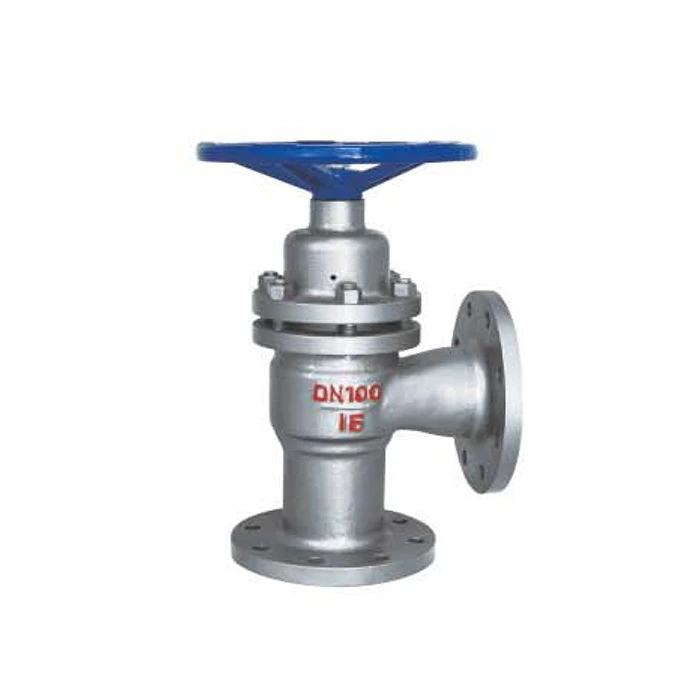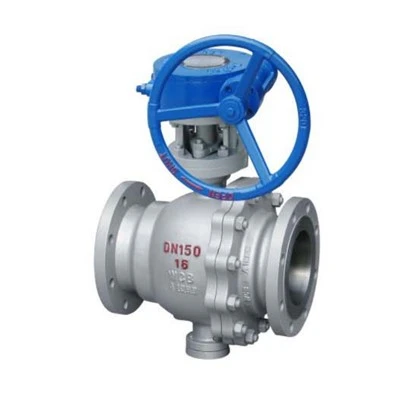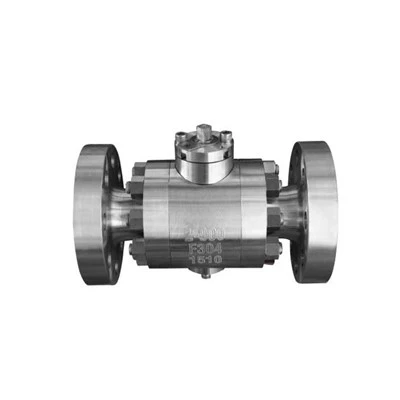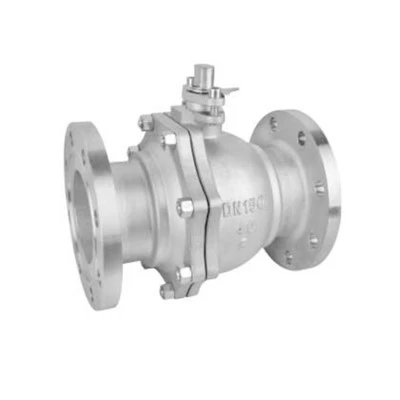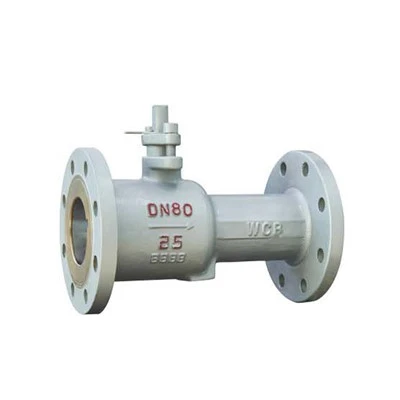

A plug valve is a rotary valve used to control fluid flow and isolate pipelines by rotating a plug inside the valve body. Its compact construction, relatively quick operation, and range of available flow-path configurations make it suitable for oil and gas, chemical processing, water treatment, and many industrial fluid-handling systems. Because operating conditions can vary significantly from one application to another, plug valve selection should be based on the actual service requirements rather than valve size or purchase price alone.
The process medium is one of the most important factors to consider. Pipelines may carry water, hydrocarbons, natural gas, chemicals, or fluids containing suspended solids, and each medium places different demands on the valve body, plug, and sealing components. Corrosive fluids may require corrosion-resistant materials, while abrasive or particle-laden media may require greater attention to internal wear resistance and valve construction.
Operating pressure and temperature are also critical to safe and reliable performance. The normal operating pressure, design pressure, and possible pressure fluctuations should be established before selecting the valve. The expected operating temperature and any potential temperature extremes must also be considered. The valve pressure rating, body material, and sealing materials should all be suitable for the actual service conditions rather than being selected solely according to pipeline size.
Flow requirements and valve port size are equally important. Where high flow capacity is required, a full-port plug valve may be preferred because its internal passage can reduce unnecessary flow restriction. A reduced-port configuration may be suitable for applications where the required flow rate is lower and overall valve dimensions, weight, or cost are additional considerations. Proper sizing helps balance flow performance, pressure loss, and system efficiency.
The sealing arrangement should also match the application. Resilient-seated plug valves can provide effective sealing for many general industrial services, while metal-seated designs may be better suited to high-temperature, high-pressure, or more demanding environments. Seal selection should take into account chemical compatibility, temperature range, pressure conditions, and expected service life.
The operating method should be selected according to valve size, pressure, operating frequency, and automation requirements. Smaller valves with occasional operation can often be handled manually using a lever or handwheel. Larger or higher-pressure valves may require a gear operator, pneumatic actuator, or electric actuator. Actuated configurations can also provide remote operation and integration with automated process control systems.
Other factors, including end connections, available installation space, maintenance requirements, and applicable industry standards, should be evaluated before the final selection is made. Considering these details together can help prevent problems such as leakage, excessive operating torque, unsuitable pressure ratings, or premature component wear.
Overall, plug valve selection should begin with the actual service conditions rather than a single performance parameter. By properly matching the process medium, pressure, temperature, flow requirements, sealing arrangement, operating method, and installation conditions, users can select a plug valve that provides dependable isolation, efficient operation, and long-term performance in industrial piping systems.