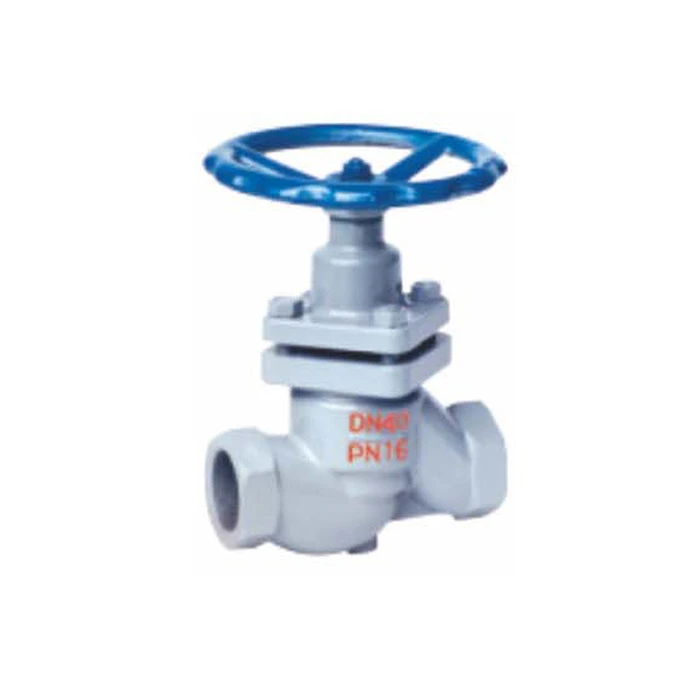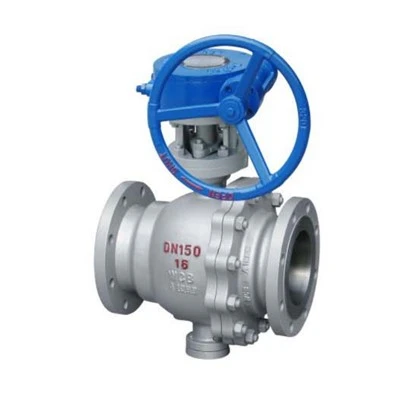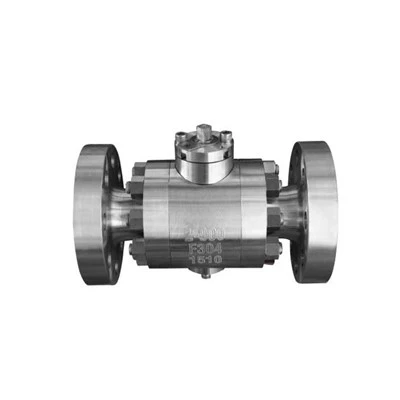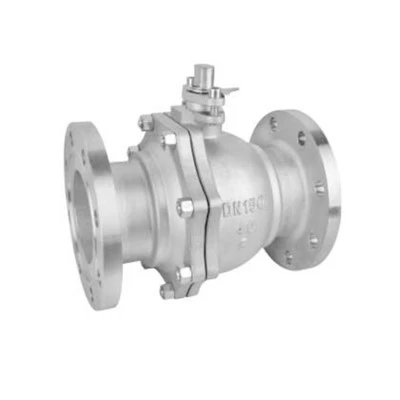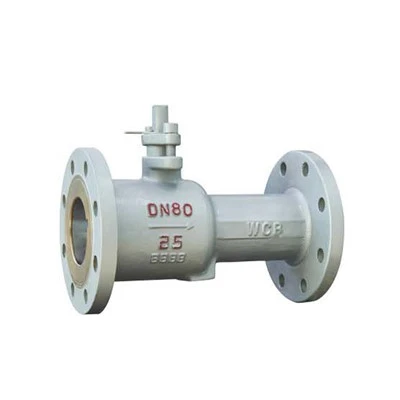

A plug valve is a rotary valve that uses a cylindrical or tapered plug as its primary closure element. By rotating the plug, the internal flow passage can be aligned with or moved away from the flow path through the valve body, allowing the valve to open, close, or isolate the pipeline. A typical plug valve consists of a valve body, plug, stem, sealing components, and operating mechanism. Its compact design, short operating movement, and broad range of available configurations make it suitable for oil and gas, chemical processing, water treatment, and industrial fluid-handling applications.
Rotary operation is one of the most distinctive characteristics of a plug valve. Unlike a gate valve, which relies on linear movement of a gate, a plug valve controls flow through rotational movement of the plug. A relatively small rotation can move the valve from the fully open position to the fully closed position, making the design useful where rapid pipeline isolation is required.
Compact construction is another important feature. The primary closure components are housed within the valve body, and the valve does not require the same amount of vertical travel as a linear-motion valve. This can provide installation advantages in piping systems where available space is limited. Different plug valve configurations can be selected according to pipeline size, pressure rating, operating conditions, and installation requirements.
Plug valves are available with different flow-path configurations. Full-port designs provide a passage that closely matches the internal diameter of the connected pipeline. This can help minimize flow restriction and may facilitate pipeline cleaning operations in suitable systems. Reduced-port designs use a smaller internal passage and may offer advantages where overall valve dimensions, weight, or cost need to be considered alongside flow requirements.
Sealing performance is an important aspect of plug valve design. Depending on the application, valves may use resilient seals, metal-to-metal sealing, or specialized sealing arrangements. Resilient sealing can provide effective shut-off for many general industrial services, while metal-seated designs may be selected for higher temperatures or more demanding operating environments. Seal materials must be compatible with the process medium and suitable for the expected pressure and temperature conditions.
Plug valves also offer flexible operating options. Smaller valves can often be operated manually with a lever or handwheel, while larger or higher-pressure valves may require gear operators, pneumatic actuators, or electric actuators to provide the necessary operating torque. Actuated configurations can also support automated process control and remote operation.
Overall, plug valves are characterized by rotary operation, compact construction, short operating travel, flexible flow-path configurations, and a variety of sealing options. Selecting the appropriate plug design, sealing arrangement, materials, pressure rating, and operating mechanism according to the process conditions can help achieve efficient isolation and reliable long-term performance in industrial piping systems.