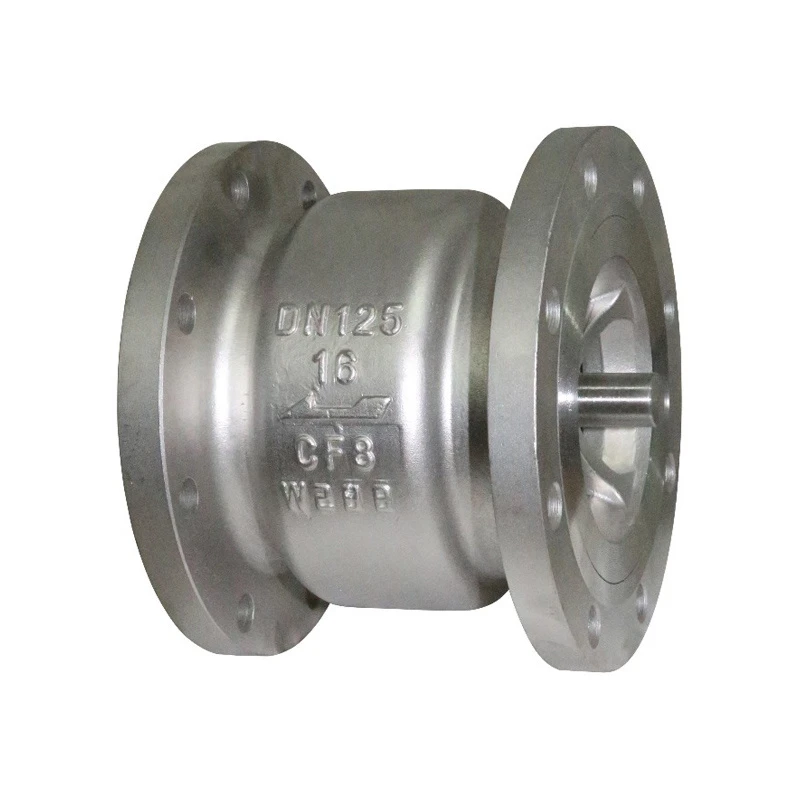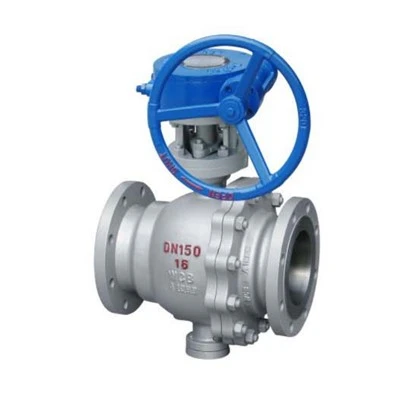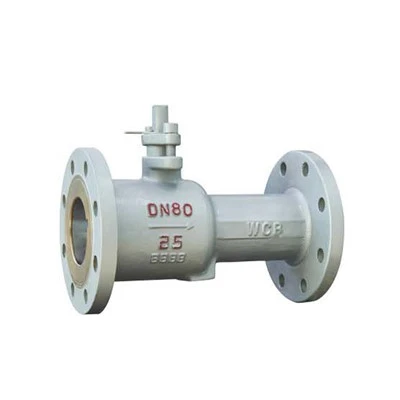

A check valve is an automatic valve that responds to fluid pressure and flow conditions to control the direction of movement within a pipeline. Unlike manually operated valves, a check valve normally works without a handwheel, actuator, or continuous external power. It opens when the process medium flows in the intended direction and closes automatically when the flow stops or reverse pressure develops. This operating principle makes check valves widely used in water and wastewater systems, oil and gas facilities, chemical processing, power generation, HVAC installations, and industrial fluid-handling applications.
The primary function of a check valve is to prevent backflow. When pumps, compressors, or other fluid-handling equipment stop operating, pressure differences, gravity, or changes within the piping system can cause the process medium to move in the opposite direction. A check valve responds automatically to this change and closes the flow passage, helping limit reverse flow and protecting the overall system from unwanted fluid movement.
Protecting pumps and compressors is another important function. A check valve installed on a pump discharge line can reduce reverse flow after the pump shuts down. This can help minimize the possibility of reverse rotation, pressure fluctuations, and hydraulic impact on the pump and connected piping. In compressor systems, a check valve can restrict reverse gas flow and help prevent downstream process media from moving back toward the equipment.
Check valves also help maintain stable flow direction and pressure conditions within interconnected piping systems. When several pieces of equipment operate within the same network, pressure differences may develop between different sections. Without effective one-way flow control, fluid could move unexpectedly from one section to another. A properly selected check valve automatically restricts this reverse movement and helps maintain the intended operating conditions.
In water supply and circulating-water systems, check valves can also help reduce the effects associated with reverse flow and sudden changes in fluid movement. Selecting a valve with suitable closing characteristics can improve the response of the valve under the actual operating conditions and may help reduce undesirable hydraulic effects. However, systems that are particularly sensitive to water hammer require a broader hydraulic design approach rather than relying on the check valve alone.
A check valve can also provide a degree of passive isolation between connected sections of a fluid system. When a pump or piece of equipment is shut down, the valve can restrict fluid from flowing back toward that section. This helps reduce unwanted interaction between different parts of the system and supports more stable operation.
Overall, the main functions of a check valve include preventing backflow, protecting pumps and compressors, maintaining the intended flow direction, and reducing certain operational risks. Valve selection should take into account the process medium, operating pressure, temperature, flow rate, installation orientation, pressure-drop requirements, and closing characteristics. Proper selection, installation, inspection, and maintenance are essential for achieving reliable one-way flow protection throughout a fluid-handling system.