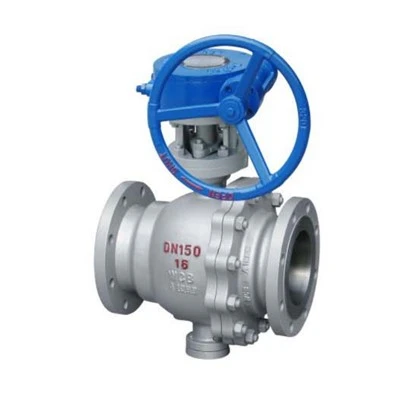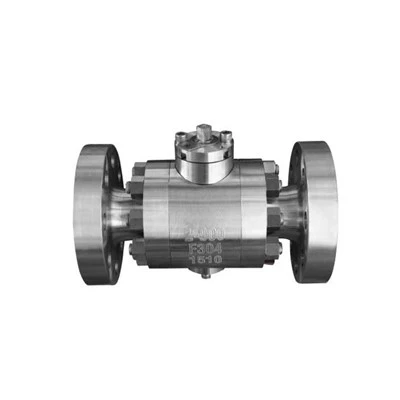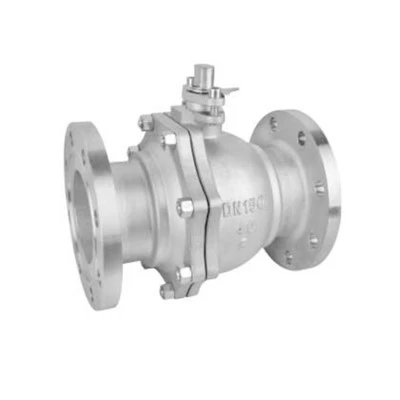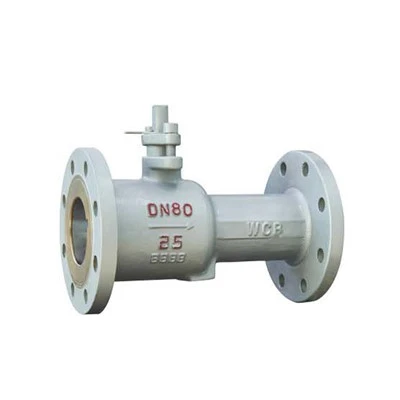

A check valve is an automatic flow-control device designed to permit fluid movement in one direction while preventing unwanted reverse flow. Unlike manually operated valves, check valves normally do not require an external power source or continuous operator input. They respond to changes in fluid pressure and flow conditions within the pipeline, making them a practical solution for water and wastewater systems, oil and gas facilities, chemical processing, power generation, HVAC installations, and general industrial piping.
Unidirectional flow is the defining characteristic of a check valve. The valve contains a movable closing element, such as a disc, piston, ball, or flap. When fluid flows in the permitted direction, the pressure difference moves the closing element away from the seat and opens the flow passage. If the flow slows down, stops, or begins to reverse, the closing element moves back toward the seat and restricts reverse flow. This automatic response allows the valve to provide backflow protection without continuous manual operation.
Automatic opening and closing distinguish check valves from conventional isolation valves. Their position is determined primarily by the hydraulic conditions inside the pipeline. Some designs incorporate a spring to assist closure, allowing the valve to respond more quickly when forward flow decreases. Fast and stable closure can be particularly important in systems where reverse flow could damage pumps, compressors, or other equipment.
Check valves are available in a variety of configurations, including lift, swing, spring-loaded, ball, and butterfly-style designs. Each configuration has different operating characteristics, installation requirements, pressure-drop behavior, and application advantages. Swing check valves, for example, are commonly considered for larger pipeline applications, while spring-loaded designs can provide assisted closure and may be installed in different orientations depending on the specific model.
Another practical characteristic is their relatively simple operation. Because check valves do not normally require handwheels, electric actuators, or pneumatic actuators for basic operation, the external operating mechanism is minimal. However, internal components such as the disc, seat, spring, and sealing surfaces can still be affected by corrosion, erosion, contamination, or wear. Regular inspection should therefore be considered according to the service conditions.
Check valves do create some pressure loss because the internal closing element remains within the flow path. Valve selection should therefore consider the required flow rate and allowable pressure drop. Closure behavior is also important in applications where rapid changes in flow could generate hydraulic shock or water hammer.
Overall, check valves are characterized by automatic operation, one-way flow control, backflow prevention, a variety of structural configurations, and relatively simple maintenance requirements. Selecting the appropriate design based on the process medium, pressure, temperature, flow rate, installation orientation, and pressure-drop requirements can help provide reliable protection and stable performance throughout the piping system.