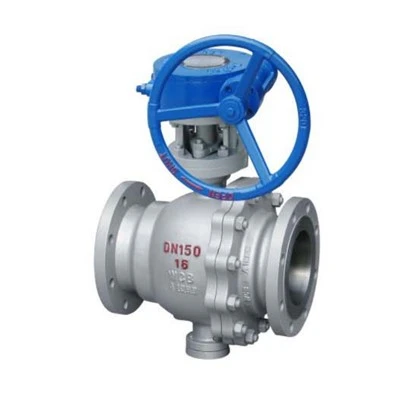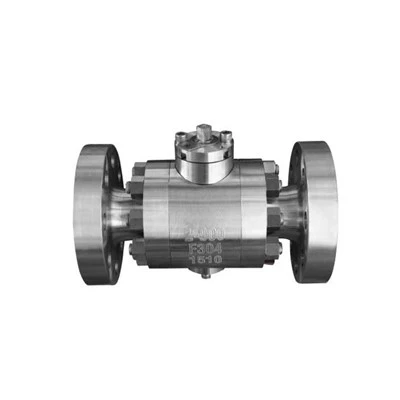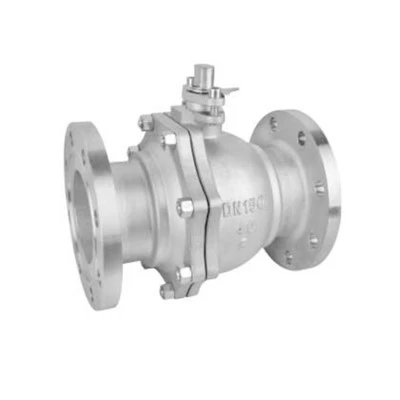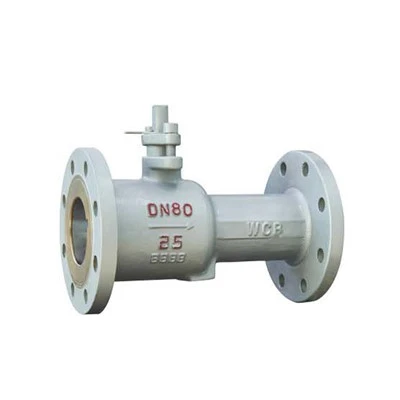

Gate valves are widely used isolation devices designed to control the flow of fluids by raising or lowering a gate inside the valve body. Their relatively unobstructed flow path in the fully open position, reliable shut-off capability, and availability in a broad range of sizes and pressure ratings make them suitable for many fluid-handling applications. Common industries include water and wastewater treatment, oil and gas, chemical processing, power generation, metallurgy, and general industrial manufacturing.
Water supply and wastewater systems are among the most common applications for gate valves. Municipal water networks, treatment facilities, pumping stations, and industrial cooling-water systems often require valves at pipeline sections, equipment connections, and maintenance points. Closing a gate valve allows a specific section of the network to be isolated for inspection or repair without necessarily interrupting the entire system. In large-diameter water pipelines, the relatively open flow path of a fully open gate valve can also help limit unnecessary pressure loss.
The oil and gas industry relies on gate valves for pipeline isolation and equipment separation. Crude oil, natural gas, and related process systems often involve long pipelines and demanding operating conditions. Gate valves can be installed at strategic points along pipelines, processing facilities, and distribution stations to provide dependable isolation when maintenance or system shutdown is required. Valve materials, pressure ratings, and sealing configurations can be selected according to the process medium and operating conditions.
Chemical processing facilities may handle corrosive, volatile, or chemically active fluids. Gate valves can be used to isolate reactors, storage vessels, transfer lines, and auxiliary systems. Material compatibility is particularly important in these applications, as the valve body, gate, seat, and sealing components must withstand the chemical characteristics of the process medium. Temperature, pressure, and environmental conditions should also be considered during valve selection.
Gate valves are also used in power generation facilities, including boiler systems, steam and water pipelines, cooling-water networks, and auxiliary equipment. Different valve materials and sealing arrangements may be required depending on the temperature, pressure, and medium involved. For demanding steam and high-temperature applications, the valve design must be selected to match the specific service conditions and operating requirements.
Other industries, including metallurgy, mining, pulp and paper, food processing, and general manufacturing, also use gate valves where dependable pipeline isolation is required. Their established design and wide range of available configurations allow them to serve many different piping arrangements.
Gate valves are generally intended for fully open or fully closed service rather than continuous throttling. Prolonged operation in a partially open position may increase flow-related wear and affect the seating surfaces. Proper selection should therefore take into account the process medium, operating pressure, temperature, pipeline size, connection configuration, and installation environment.
Overall, gate valves remain an important choice for pipeline isolation because of their reliable shut-off performance, low flow resistance when fully open, and broad range of available specifications. As fluid-handling systems continue to become larger and more automated, properly selected gate valves will continue to provide dependable isolation and operational support across a wide range of industrial applications.