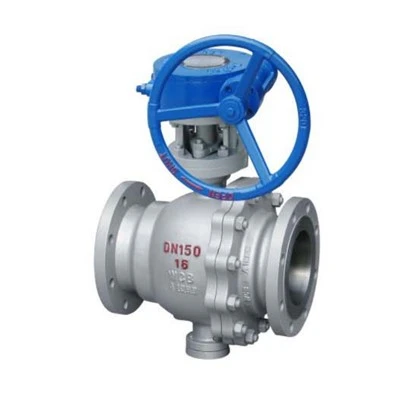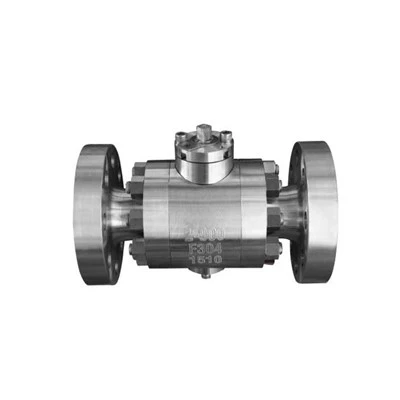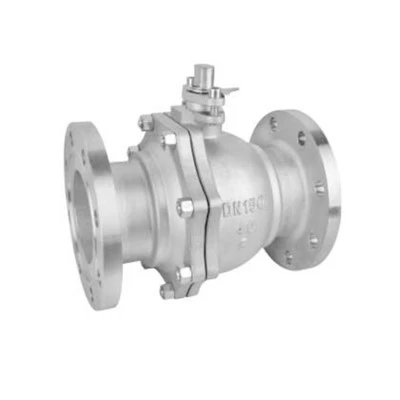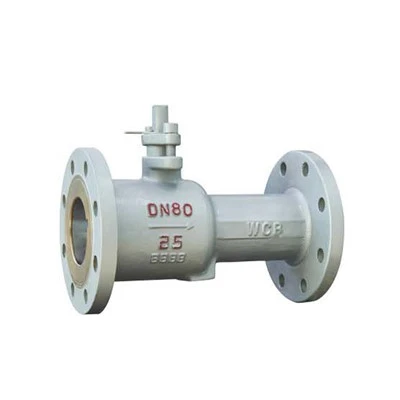

A gate valve is a widely used isolation valve designed to control the flow of a fluid by moving a gate vertically inside the valve body. Unlike rotary valves that use a rotating closure element, a gate valve operates by raising or lowering the gate along the stem axis. Its relatively low flow resistance in the fully open position makes it suitable for many applications in oil and gas, chemical processing, power generation, water supply, wastewater treatment, and industrial piping systems.
The main components of a gate valve include the valve body, gate, stem, seats, bonnet, and operating mechanism. The valve body connects the valve to the pipeline and contains the internal pressure. The gate is the primary shut-off element positioned inside the flow passage. The stem connects the gate to the handwheel, gearbox, or actuator and transfers the operating force required to move the gate. The valve seats provide the sealing surfaces that work with the gate when the valve is closed.
When the gate valve is fully open, the gate is lifted clear of the flow passage. The pipeline is therefore provided with a relatively unobstructed path for the process medium. Because the gate does not significantly restrict the flow when fully raised, a gate valve can offer relatively low pressure loss in the open position. This characteristic makes it useful in applications where maintaining efficient flow through the pipeline is important.
To close the valve, the operating mechanism rotates the stem in the appropriate direction, causing the gate to travel downward into the flow passage. As the gate moves into position, it progressively blocks the passage. Once the gate reaches the fully closed position, it engages with the valve seats and creates a sealing interface that prevents the process medium from continuing through the pipeline.
Gate valves are available with different gate and seating arrangements. Wedge gate valves use a tapered gate that engages with the seats to create a tight shut-off. Parallel gate valves use parallel sealing surfaces and may be selected for specific pressure, temperature, and process conditions. The appropriate design depends on the characteristics of the application and the requirements of the piping system.
Gate valves are generally intended for fully open or fully closed service rather than continuous throttling. Operating a gate valve in a partially open position can expose the gate and seats to high-velocity flow, which may increase erosion, vibration, and wear. For applications requiring precise and continuous flow regulation, a dedicated control valve is normally a more suitable choice.
Overall, a gate valve controls pipeline flow by moving a gate along the stem axis to open or close the flow passage. Its established design, low flow resistance when fully open, and broad range of available configurations make it a practical solution for many fluid-handling systems. Proper valve selection, installation, operation, and maintenance are essential for achieving dependable sealing performance and long service life.