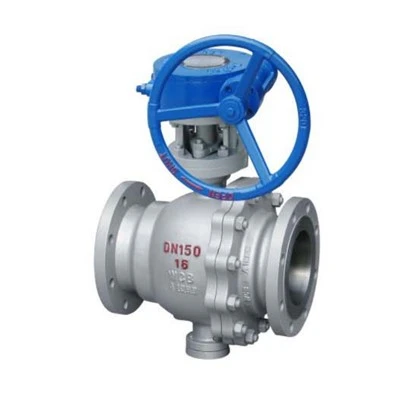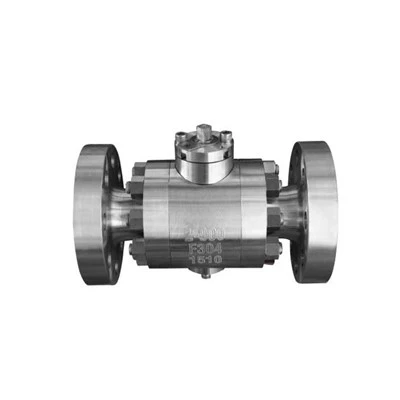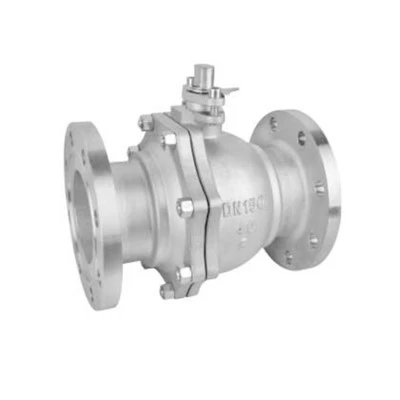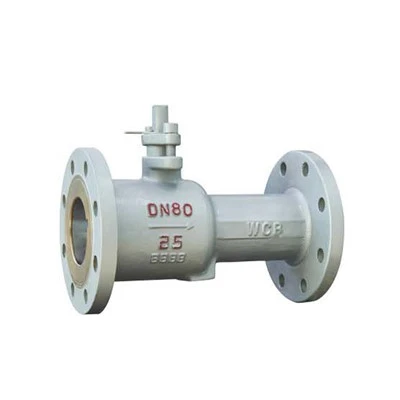

Safety valves are essential protective devices used to prevent excessive pressure in process equipment and piping systems. Their primary function is to open automatically when system pressure reaches a predetermined set point, allowing excess medium to escape and bringing the pressure back within an acceptable range. Reliable safety valve performance depends on several technical factors, including set-pressure control, sealing design, spring mechanisms, relieving capacity, material selection, and performance testing.
Set-pressure technology is a fundamental part of safety valve design. The set pressure must be selected according to the design pressure and operating requirements of the protected equipment so that the valve can respond appropriately to an overpressure event. In a conventional spring-loaded safety valve, the spring provides a predetermined closing force. When system pressure reaches the set point, the pressure acting on the valve disc overcomes the spring force, allowing the disc to lift and release the excess pressure.
Sealing performance is equally important during normal operation. The disc and seat must maintain accurate contact to minimize unwanted leakage while the system remains below the set pressure. Different sealing materials and configurations can be selected according to the process medium and service conditions. Precision machining, lapping, and controlled surface finishing can further improve the contact between the sealing surfaces.
Relieving capacity is another critical performance parameter. During an overpressure event, the safety valve must be capable of discharging sufficient flow to protect the equipment effectively. Valve sizing and selection therefore require consideration of the process medium, required flow rate, pressure, temperature, and other relevant operating conditions. Proper sizing ensures that the valve can provide the required pressure relief under the specified scenario.
Material selection also plays a major role in safety valve performance. Components such as the valve body, disc, seat, and spring must be manufactured from materials suitable for the operating temperature, pressure, and chemical characteristics of the process medium. High-temperature, high-pressure, and corrosive applications may require materials with enhanced mechanical strength, temperature resistance, and corrosion resistance.
Manufacturing quality and testing are essential for verifying valve performance. Depending on the valve type and applicable requirements, testing may include pressure testing, seat leakage checks, set-pressure verification, and functional testing. These procedures help confirm that the valve opens at the intended pressure, provides adequate relieving performance, and reseats properly after pressure has returned to a safe range.
Overall, safety valve technology combines mechanical design, pressure control, sealing engineering, material selection, flow capacity, and performance verification. Continuous improvement in these areas can enhance operating reliability and service life, helping provide effective overpressure protection for boilers, pressure vessels, industrial pipelines, and other pressurized systems.