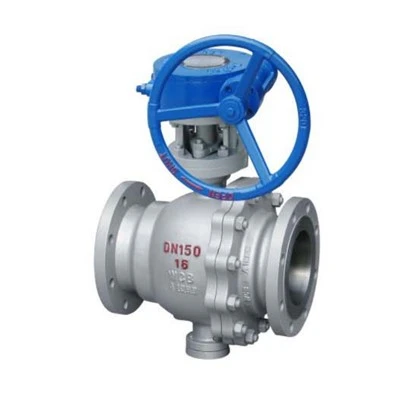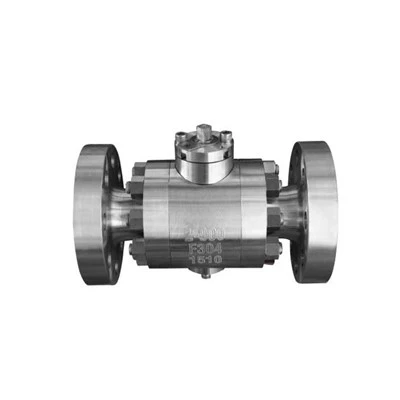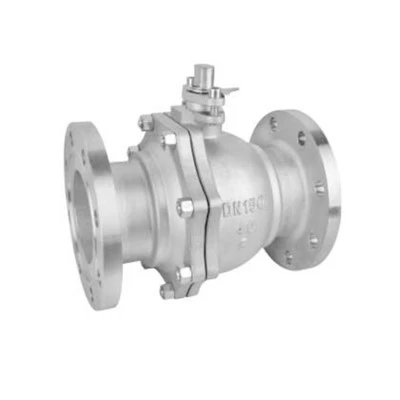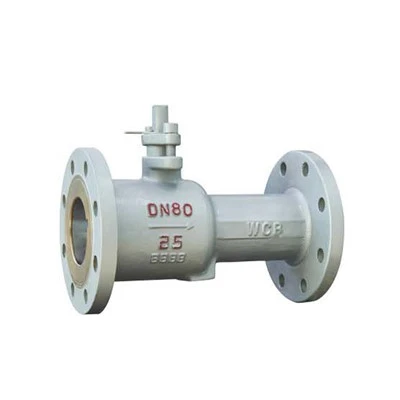

Butterfly valves are widely used rotary valves that offer a combination of compact construction, low weight, quick operation, and practical maintenance requirements. Compared with many conventional valve designs, they can provide fast shut-off while requiring relatively little installation space. These advantages make butterfly valves a popular choice for water and wastewater treatment, HVAC systems, chemical processing, oil and gas, and general industrial piping.
One of the most significant advantages of a butterfly valve is its compact design. The disc is positioned directly inside the valve body and rotates around the stem to control the flow passage. This straightforward construction results in a relatively short overall length, which can be especially beneficial in large-diameter piping systems. The reduced footprint provides greater flexibility when equipment and pipelines must be arranged within a limited installation area.
Low weight is another practical benefit. Butterfly valves generally contain fewer major components and require less material than many larger or more complex valve designs. This can make transportation, handling, and installation easier. In certain piping systems, the lower valve weight can also help reduce the demands placed on supporting structures.
Fast quarter-turn operation is a key performance advantage. Most butterfly valves move between the fully open and fully closed positions with approximately 90 degrees of rotation. This allows rapid pipeline isolation and makes the valves suitable for systems that require frequent operation or quick shut-off. For larger valves, gear operators can reduce manual operating effort, while pneumatic and electric actuators can provide automated or remote control.
Installation and maintenance are also relatively straightforward. Butterfly valves are available with different connection configurations, including wafer, lug, and flanged designs, allowing users to select a configuration that suits the pipeline layout. Their simple construction can also make routine inspection and servicing more convenient, potentially reducing maintenance time and system downtime.
Cost efficiency is another reason butterfly valves are widely adopted. Their compact structure, relatively low weight, and efficient use of materials can contribute to lower handling and installation costs, particularly in large-diameter applications. When equipped with pneumatic or electric actuators, butterfly valves can also be integrated into automated control systems for centralized operation and monitoring.
Butterfly valves can be customized for different service conditions through appropriate selection of body materials, disc materials, seat materials, and sealing configurations. This allows the valve to be adapted to different process media, pressure ranges, temperatures, and environmental conditions.
Overall, butterfly valves combine compact construction, low weight, fast operation, convenient installation, manageable maintenance requirements, and good compatibility with automation systems. Selecting the appropriate valve design and configuration for the actual service conditions can help improve system efficiency, operational reliability, and long-term value in a wide range of fluid-handling applications.