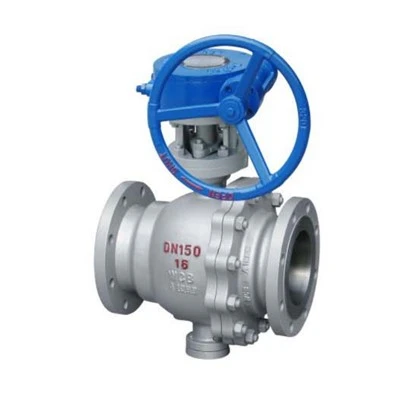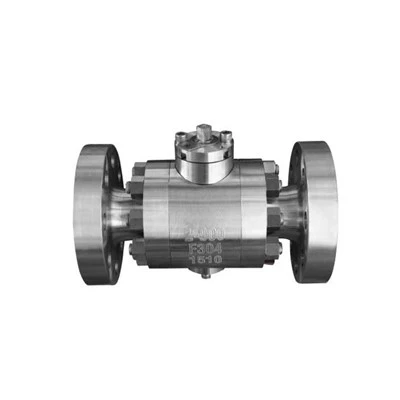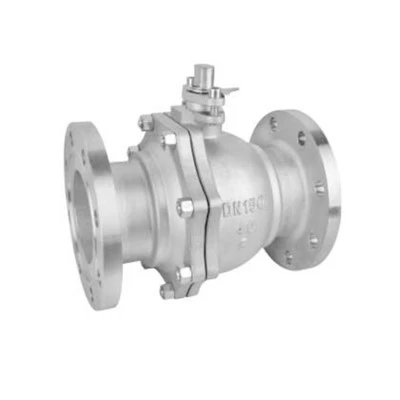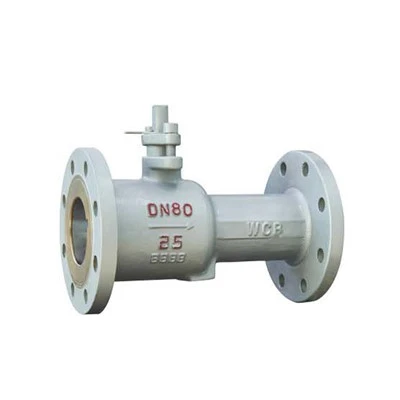

A butterfly valve uses a rotating disc to control or isolate fluid flow within a pipeline. Its compact construction, low weight, quick operation, and relatively simple installation have made it a popular choice for water and wastewater treatment, HVAC, chemical processing, oil and gas, and general industrial piping systems. Butterfly valves are available in several configurations, with each design offering specific advantages for different installation and operating conditions.
One common way to classify butterfly valves is by their end connection. Wafer-style butterfly valves are installed between two pipeline flanges and feature a compact, lightweight construction. They are particularly useful where installation space is limited or minimizing valve weight is important. Lug-style butterfly valves feature threaded or drilled lugs around the valve body, allowing the valve to be secured between flanges and, in many designs, removed from one side of the pipeline without disturbing the opposite flange connection. Flanged butterfly valves use integral flanges to connect directly to the pipeline and are often selected where a robust and stable connection is required.
Butterfly valves can also be classified according to their disc and stem arrangement. Concentric butterfly valves have the stem positioned through the center of the disc and sealing arrangement. Their relatively simple design makes them suitable for many general-purpose water and low- to medium-pressure applications. Eccentric butterfly valves offset the stem and sealing geometry to reduce contact between the disc and seat during operation. This design can reduce friction and wear and is commonly considered for larger sizes, higher-pressure applications, or services where enhanced sealing performance is required.
Another important distinction is the sealing arrangement. Soft-seated butterfly valves use resilient materials to provide effective shut-off and are commonly used with water, air, and other compatible media. Metal-seated butterfly valves are designed for more demanding conditions and can provide improved resistance to high temperatures, wear, and certain severe-service environments.
Butterfly valves are also available with different actuation methods. Smaller valves can often be operated manually using a lever handle, while larger valves may use a gearbox to reduce the effort required for operation. Pneumatic and electric actuators can be added when remote operation, automated control, or integration with a process control system is required.
Choosing the right butterfly valve requires more than selecting a valve based on size alone. The process medium, operating pressure, temperature, pipeline dimensions, connection type, sealing requirements, and actuation method should all be considered. A properly selected valve can provide reliable isolation, efficient operation, and convenient maintenance throughout its service life.
Overall, the wide range of butterfly valve configurations allows these valves to serve applications ranging from building water systems to demanding industrial pipelines. Matching the valve design to the actual service conditions is essential for achieving dependable performance and long-term reliability.