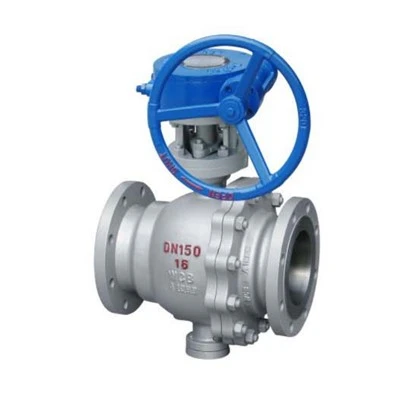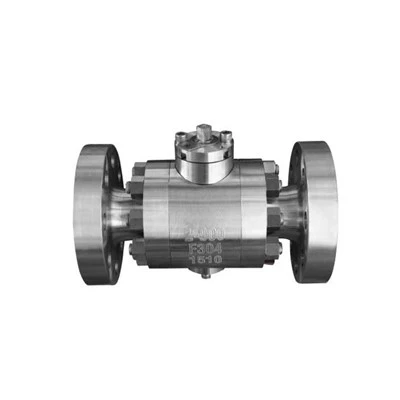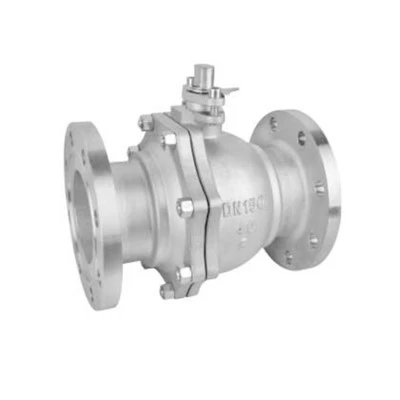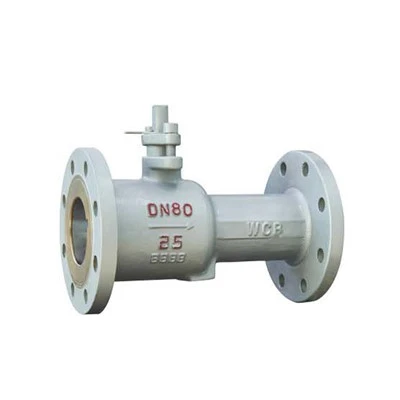

Ball valves are widely used in industrial piping, water supply systems, HVAC equipment, gas installations, and various fluid-handling applications. Their compact design, quick quarter-turn operation, reliable sealing, and straightforward operation make them a practical choice for many systems. Although ball valves are relatively simple to operate, proper handling and routine care are essential for maintaining performance, minimizing failures, and extending service life.
Before operating a ball valve, it is important to confirm that the valve specifications match the actual service conditions. Check the nominal size, pressure rating, material, and compatibility with the process medium. The valve should also be inspected for visible damage. For newly installed valves, make sure the pipeline has been thoroughly cleaned. Welding slag, metal particles, and other debris can damage the ball or valve seats and interfere with proper sealing.
When operating a manual ball valve, turn the handle smoothly and avoid applying excessive force. On most quarter-turn designs, the handle is aligned with the pipeline when the valve is open and positioned perpendicular to the pipeline when the valve is closed. A typical ball valve requires only a 90-degree rotation to change position, so repeatedly turning the handle is unnecessary. If the valve becomes unusually difficult to operate or shows signs of binding, do not force it. The cause should be investigated before further operation.
For ball valves installed in continuously operating systems, unnecessary cycling should be avoided. Standard ball valves are primarily intended for on-off isolation rather than prolonged throttling. If precise or continuous flow regulation is required, a valve specifically designed for control service should be considered. Keeping a conventional ball valve partially open for extended periods may expose the ball and seats to high flow velocity, increasing erosion and wear.
Regular inspection is another useful practice. Check the valve stem, body connections, and pipeline joints for signs of leakage. The handle or actuator should also be checked to ensure smooth and consistent operation. For valves installed in critical systems, a maintenance schedule can be established according to operating frequency, process conditions, and environmental factors. This helps identify problems such as worn seals, stem damage, or loose connections before they become serious.
For automated ball valves equipped with pneumatic or electric actuators, the actuator should also be inspected regularly. Make sure the air supply pressure, electrical parameters, and control signals meet the manufacturer's requirements. The connection between the actuator and valve should be checked to ensure that torque is transmitted correctly and the valve operates as intended.
Using a ball valve correctly is relatively straightforward. The key is to combine proper valve selection with correct operation and timely maintenance. Keeping pipelines clean, avoiding excessive force, monitoring sealing performance, and using the valve according to its intended service can reduce the risk of failure, extend service life, and improve the overall reliability of a fluid handling system.