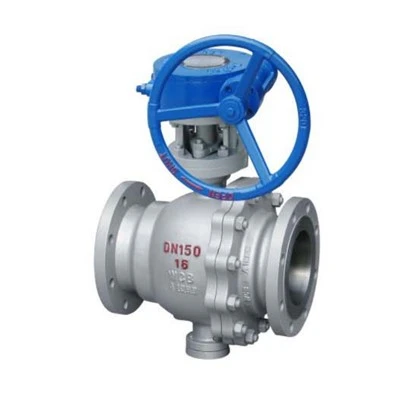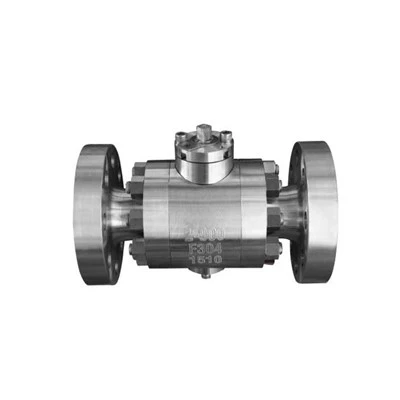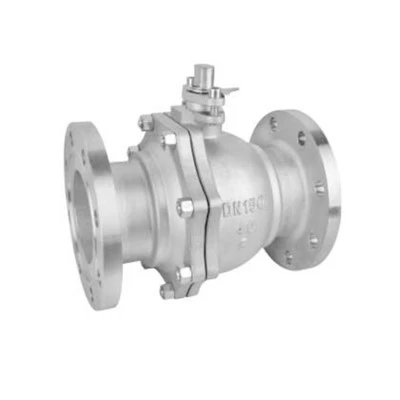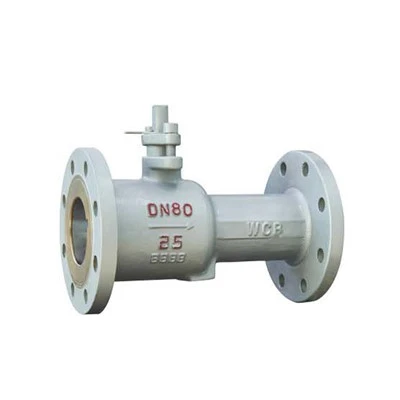

Ball valves are widely used for fluid control and pipeline isolation in industrial systems. Their performance and service life depend not only on the valve design but also on manufacturing processes and quality control. A reliable ball valve typically goes through material inspection, component manufacturing, precision machining, surface finishing, assembly, pressure testing, and final inspection. Consistent control throughout the manufacturing process is essential for achieving reliable sealing, smooth operation, and long-term service performance.
The manufacturing process begins with the selection and inspection of raw materials. Depending on the valve design and service conditions, components such as the valve body, ball, and stem may be manufactured from stainless steel, carbon steel, alloy steel, or other suitable materials. Incoming materials are inspected for grade, dimensions, surface condition, and compliance with technical requirements. Where necessary, material composition can also be verified through appropriate inspection methods.
Valve bodies and other metal components are produced through casting or forging and then undergo precision machining. CNC lathes, machining centers, and other equipment are used to process the valve body, ball, stem, and end connections according to the specified dimensions and tolerances. Ball machining is particularly important because the surface finish and dimensional accuracy of the ball directly affect sealing performance and operating torque.
After machining, selected components may undergo additional finishing or surface treatment. The ball, for example, may be ground and polished to achieve a smooth and consistent surface. Depending on the material and service environment, other metal components may receive suitable surface treatments to improve corrosion resistance, durability, or appearance.
Once the individual components have been prepared, the valve enters the assembly stage. The ball, seats, stem, seals, and other internal components are installed into the valve body according to the approved assembly procedure. Proper alignment and component fit are essential because assembly quality can directly influence operating torque, sealing performance, and overall valve reliability.
After assembly, the finished valve undergoes pressure and sealing tests. Depending on the applicable standards and customer specifications, testing may include shell pressure testing, seat leakage testing, and functional checks. These tests are used to verify the pressure integrity of the valve body and the sealing performance of the valve in the closed position. Only products that meet the specified requirements should proceed to final inspection and packaging.
Before shipment, each valve is checked for appearance, dimensions, end connections, operating performance, and required identification marks. Appropriate packaging and protective measures are then applied according to the product requirements and shipping conditions.
Overall, ball valve manufacturing is a controlled process that combines material selection, precision machining, component finishing, assembly, and performance testing. By maintaining consistent manufacturing standards and implementing effective quality control at every stage, manufacturers can produce ball valves with dependable sealing, smooth operation, and long service life, providing reliable fluid control solutions for a wide range of industrial piping applications.