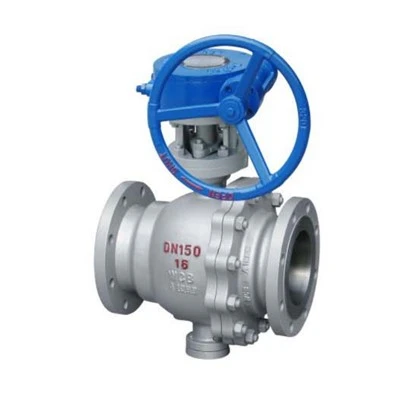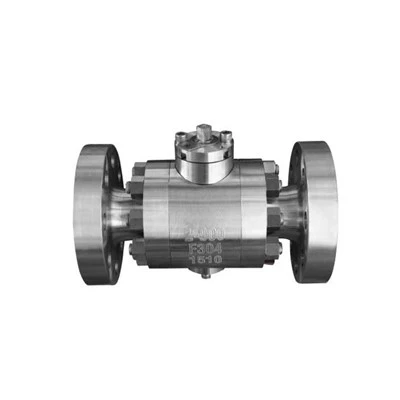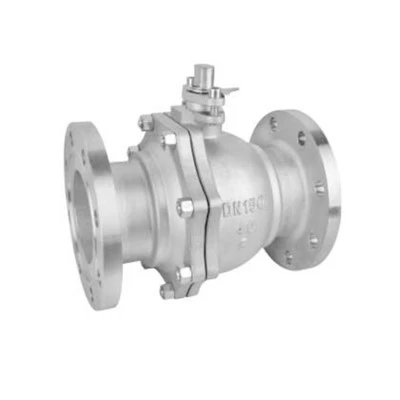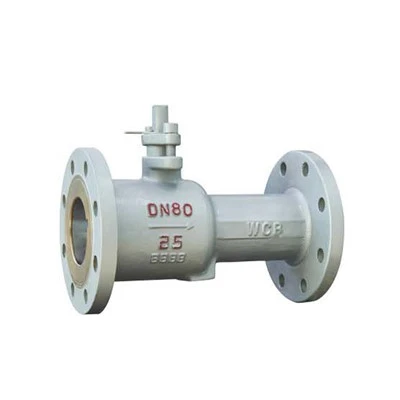

Ball valves are widely used for fluid control and pipeline isolation in industrial systems. Their overall performance depends on a combination of valve design, material selection, machining accuracy, sealing technology, and manufacturing processes. As industries such as oil and gas, chemical processing, water treatment, and industrial automation continue to develop, ball valve technology is also evolving to meet higher requirements for reliability, sealing performance, operating efficiency, and service life.
Sealing technology is one of the most important aspects of ball valve design. The ball and valve seats must maintain precise contact to provide dependable shut-off performance when the valve is closed. Seat materials such as PTFE, reinforced PTFE, and PEEK can be selected according to the process medium, operating temperature, and pressure. For demanding applications, careful material selection and seat design are particularly important for maintaining sealing integrity under high-temperature, high-pressure, or corrosive conditions.
Flow-path design also has a significant influence on valve performance. In a full-port ball valve, the internal bore of the ball is designed to closely match the pipeline diameter, allowing the medium to pass through with relatively low resistance. This can help reduce pressure loss and improve flow efficiency. A well-designed flow passage can also minimize unnecessary turbulence and erosion, helping to protect internal components and extend service life.
Material technology is another essential part of ball valve engineering. Depending on the application, valve bodies, balls, and stems may be manufactured from stainless steel, carbon steel, alloy steel, or other suitable materials. Material selection should take into account corrosion resistance, operating temperature, pressure, mechanical strength, and compatibility with the process medium. Applications in the food and pharmaceutical industries may also require materials and manufacturing practices that meet specific hygiene requirements.
Precision machining directly affects assembly accuracy and valve performance. Critical characteristics such as ball roundness, surface finish, dimensional tolerances, and seat geometry can influence operating torque and sealing effectiveness. Modern ball valve manufacturing therefore relies on CNC machining, precision grinding, polishing, and controlled finishing processes to achieve consistent component quality.
Actuation technology has also become increasingly important as industrial auautomated shut-off, and coordinated process control.
Testing and inspection form another important part of ball valve technology. Pressure testing, seat leakage testing, functional testing, and other quality-control procedures are used to verify pressure integrity, sealing performance, and operating reliability before the valve is released for service.
Overall, ball valve technology covers a wide range of engineering disciplines, including sealing design, flow-path optimization, material engineering, precision machining, actuation, and performance testing. Continuous improvement in these areas helps manufacturers develop more reliable and application-specific ball valves for modern industrial piping systems.tomation continues to expand. Ball valves can be equipped with pneumatic or electric actuators and integrated with control systems to enable remote operation,