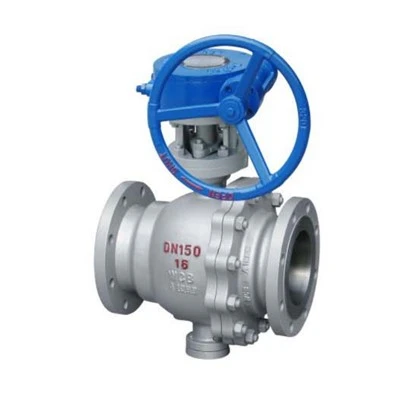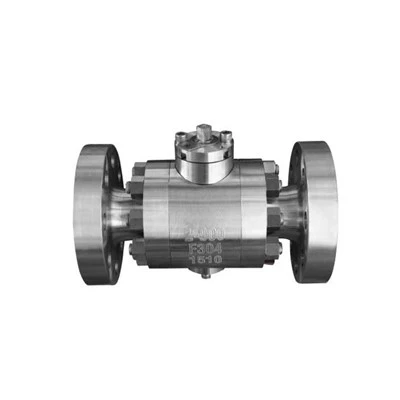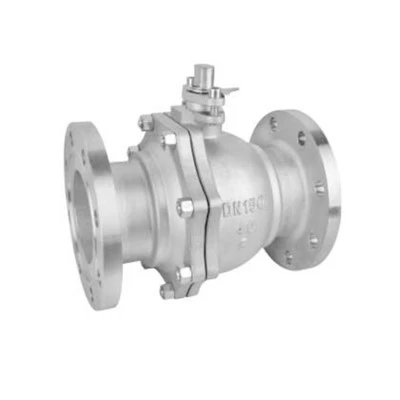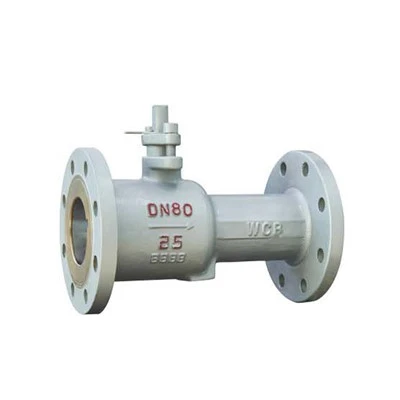

A butterfly valve is a rotary valve that uses a disc-shaped closure element to control and isolate fluid flow in a piping system. Compared with many other valve designs, butterfly valves offer a compact structure, low weight, limited installation space requirements, fast operation, and straightforward maintenance. These characteristics make them widely used in water and wastewater treatment, chemical processing, oil and gas, HVAC, food processing, and general industrial piping systems.
One of the most distinctive characteristics of a butterfly valve is its compact construction. The disc is positioned directly within the pipeline and rotates around the stem axis to control the flow passage. This design results in a relatively short face-to-face dimension, allowing butterfly valves to occupy less space than many conventional valve types. This can be particularly beneficial when installing valves in large-diameter pipelines or areas with limited space.
Low weight is another practical advantage. A butterfly valve generally has a simpler construction and fewer major components than many larger valve designs. As a result, it can be significantly lighter for a comparable nominal size. The reduced weight makes transportation and installation easier and can also help simplify pipeline support requirements in certain applications.
Butterfly valves normally use a quarter-turn operating mechanism. Rotating the disc through approximately 90 degrees moves the valve between the fully open and fully closed positions. This operating principle provides fast response and makes butterfly valves well suited to applications requiring frequent operation or rapid pipeline isolation. Depending on the valve size and application, operation can be manual or assisted by a gearbox, pneumatic actuator, or electric actuator.
Another important characteristic is the ability to influence flow rate by changing the disc position. As the disc rotates, the effective flow area within the valve changes, allowing the valve to provide a degree of flow regulation. However, the suitability of a butterfly valve for throttling depends on its design and the operating conditions. Applications requiring highly precise and continuous flow control may be better served by a dedicated control valve.
Butterfly valves are available in a variety of designs and sealing configurations to accommodate different operating environments. Common end connection styles include wafer, lug, and flanged configurations. Seat materials and valve construction can also be selected according to the process medium, temperature, pressure, and other service requirements.
Overall, butterfly valves are characterized by their compact construction, low weight, quick quarter-turn operation, and convenient installation and maintenance. By selecting the appropriate valve design, materials, sealing arrangement, and actuation method, users can achieve reliable flow isolation and efficient fluid control across a wide range of industrial piping applications.