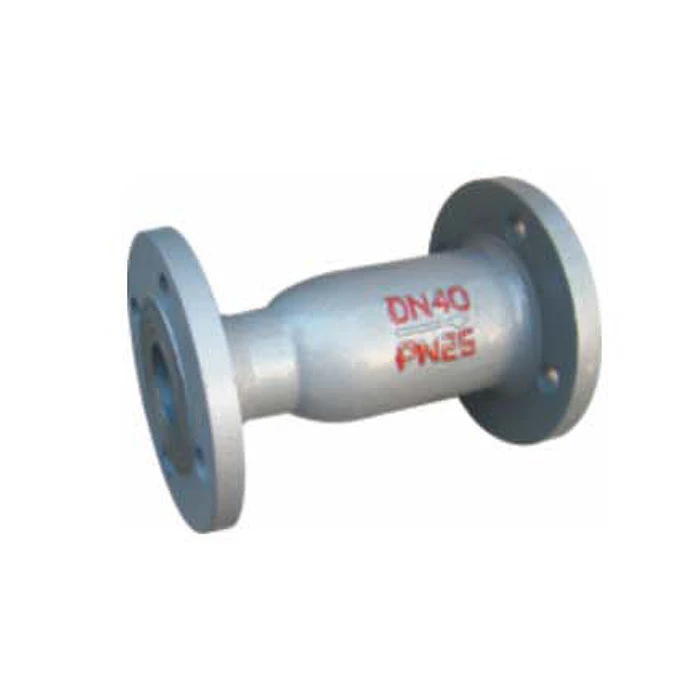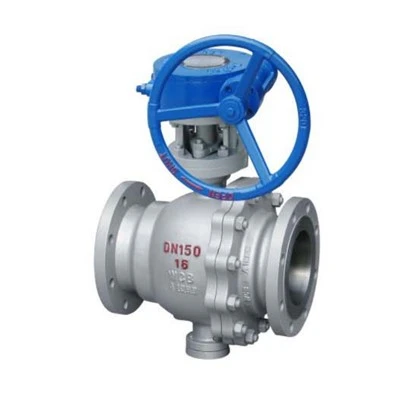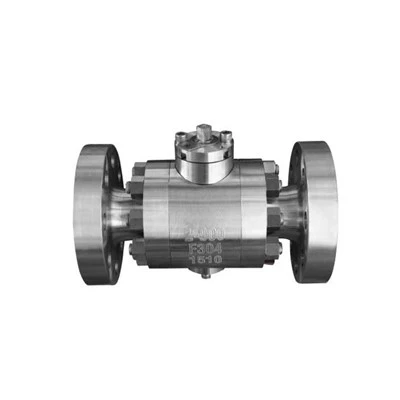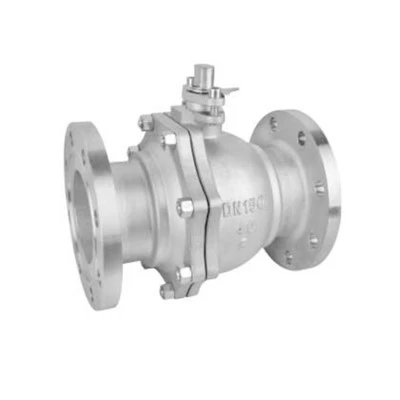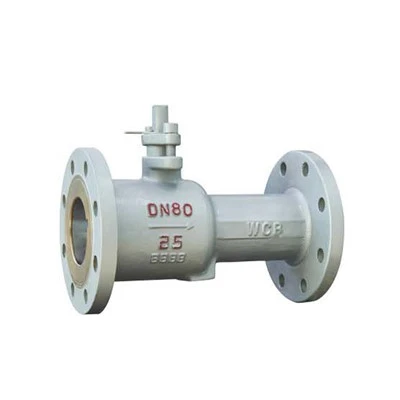

A check valve is an automatic valve designed to allow fluid to flow in the intended direction while preventing unwanted reverse flow. Because it operates in response to changes in pressure and flow conditions without requiring continuous manual control or external power, it is widely used in water and wastewater treatment, pumping stations, oil and gas facilities, chemical plants, power generation, HVAC systems, and general industrial piping. The appropriate valve configuration depends on the operating conditions and the requirements of each application.
Water supply and wastewater systems are among the most common applications for check valves. Municipal water networks, treatment plants, pumping stations, and circulating-water systems can experience reverse flow when a pump stops, pressure conditions change, or differences in elevation affect the pipeline. A properly selected check valve allows normal forward flow while closing automatically when the flow direction changes, helping protect the system from unwanted backflow.
Pump and compressor installations also rely heavily on check valves. A check valve installed on a pump discharge line can help prevent liquid from flowing back through the pump after shutdown. This can reduce the risk of reverse rotation and hydraulic impact on the equipment and connected piping. At compressor outlets, check valves can help restrict reverse gas flow and protect the compressor and upstream process equipment. Closure characteristics and pressure drop are particularly important considerations in these applications.
In the oil and gas industry, check valves are used in transportation pipelines, storage facilities, processing units, and pipeline stations. Crude oil, natural gas, and other process media often need to maintain a controlled flow direction to ensure stable operation. Valve materials, sealing arrangements, pressure ratings, and internal configurations should be selected according to the characteristics of the medium and the operating environment.
Chemical processing systems may involve multiple interconnected vessels, pumps, and process lines. Check valves can be installed between reactors, pumps, storage tanks, and process pipelines to prevent unintended reverse flow between different sections of the system. When handling corrosive or chemically aggressive media, material compatibility becomes an important factor in valve selection.
Power generation and HVAC systems also use check valves to maintain controlled fluid movement. Boiler feedwater systems, cooling-water circuits, chilled-water networks, and hot-water circulation systems can all benefit from backflow protection. The appropriate valve design can help maintain system stability and protect connected equipment.
Check valves are therefore suitable for a wide range of applications where reverse flow must be controlled or prevented. Selection should take into account the process medium, operating pressure, temperature, flow rate, installation orientation, allowable pressure drop, and required closing characteristics. Choosing and installing the right check valve can improve system stability while providing effective protection for pumps, compressors, pipelines, and other fluid-handling equipment.