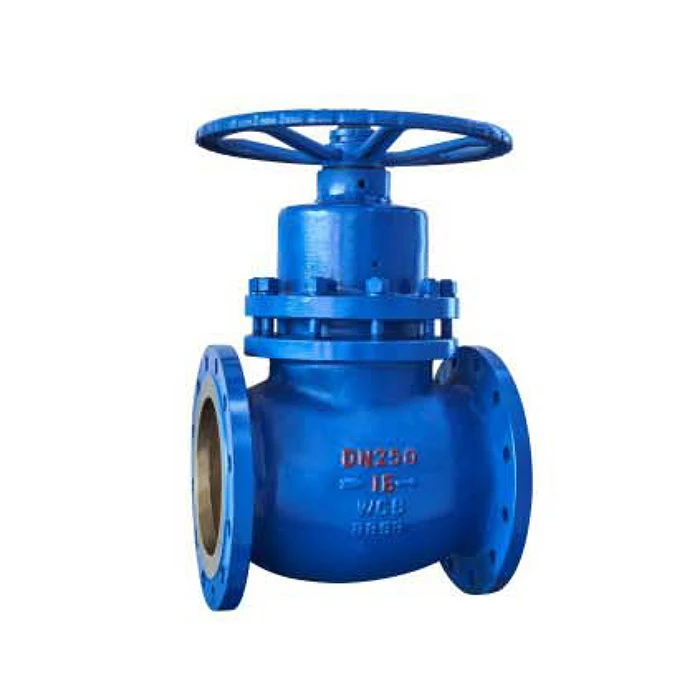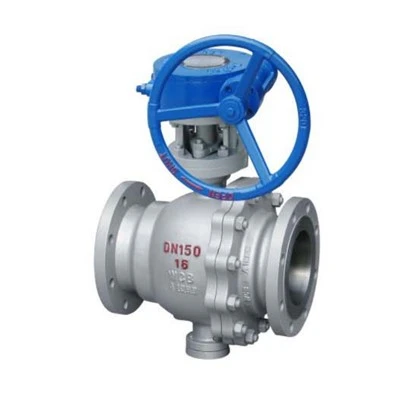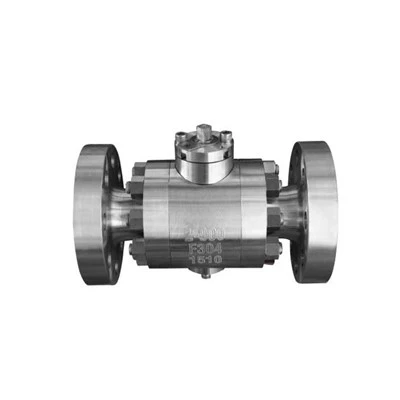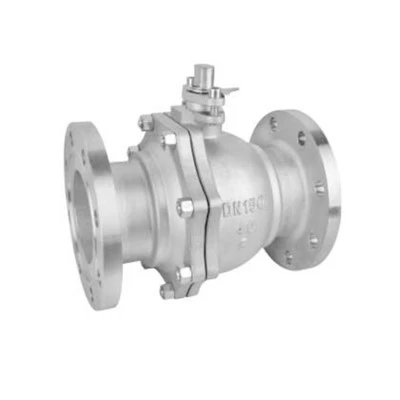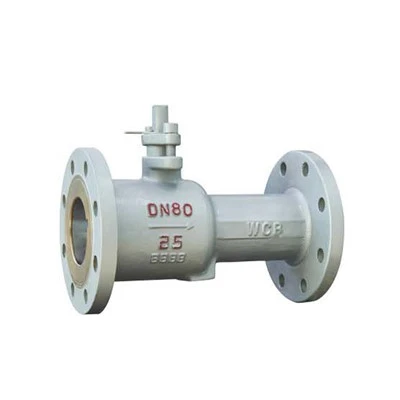

A plug valve is a rotary valve that uses a plug as the primary closure element to control the flow of fluid through a pipeline. Its main components typically include the valve body, plug, stem, sealing elements, and operating mechanism. The plug contains a passage that aligns with the flow path through the valve body when the valve is open. Rotating the plug moves this passage out of alignment with the pipeline, blocking the flow and placing the valve in the closed position. This straightforward operating principle makes plug valves suitable for many applications in oil and gas, chemical processing, water treatment, and industrial fluid-handling systems.
The operating principle of a plug valve is based on rotation of the plug. In the fully open position, the passage through the plug is aligned with the inlet and outlet flow paths of the valve body. The process medium can therefore pass through the valve with relatively little obstruction. This configuration is useful in applications where maintaining a continuous flow path is important.
When the valve needs to be closed, the operating mechanism turns the stem, which rotates the plug inside the valve body. As the plug turns, its internal passage moves away from the main flow path. Once the plug reaches the closed position, the solid portion of the plug blocks the passage while the sealing surfaces between the plug and valve body limit fluid leakage.
Sealing performance depends heavily on the plug valve design. Some valves use resilient sealing materials that create a close contact between the plug and sealing surfaces, while other designs use metal-to-metal sealing for demanding high-temperature, high-pressure, or specialized process applications. The appropriate sealing arrangement should be selected according to the process medium, operating pressure, temperature, and service environment.
During operation, the plug must overcome forces caused by process pressure and friction between the plug and sealing surfaces. For larger valves or applications involving high pressure or frequent operation, gear operators, pneumatic actuators, electric actuators, or other mechanisms may be used to provide the required operating torque and improve ease of control.
Plug valves are known for their compact construction, relatively quick operation, and versatility across a wide range of industrial services. Certain designs can also be adapted for applications involving fluids containing suspended particles or services where dependable isolation is particularly important. However, operating a plug valve continuously in an unsuitable partially open position may increase erosion and wear of the plug and sealing components.
Overall, a plug valve controls fluid flow by rotating the plug to align or misalign its internal passage with the pipeline flow path. Proper selection of the plug configuration, sealing arrangement, materials, and operating mechanism according to the actual pressure, temperature, and process medium can help ensure reliable shut-off and long-term service performance in industrial piping systems.