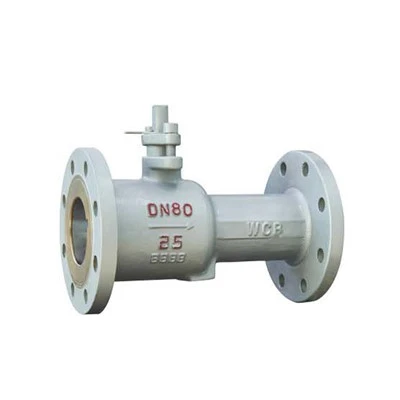

Plug valves are important isolation and flow-control devices used throughout industrial piping systems. Their performance has a direct impact on the safety, reliability, and stability of fluid-handling operations. To ensure that a plug valve performs properly under specified pressure, temperature, and process conditions, manufacturers typically conduct a series of performance tests after production. Evaluating the valve's structural integrity, pressure resistance, sealing performance, and operating characteristics helps identify potential manufacturing issues before the product is placed into service.
Visual and dimensional inspection provides the foundation for plug valve quality verification. Inspectors examine the valve body, plug, stem, and connection areas for visible defects or abnormal conditions. Key dimensions, end connections, assembly quality, markings, and pressure ratings are also checked against the applicable design requirements. These inspections help confirm that the finished valve conforms to the specified configuration.
Shell testing is performed to verify the pressure-bearing integrity of the valve body and other pressure-retaining components. Under controlled test conditions, the valve is subjected to the specified test pressure while the body and connection areas are inspected for leakage, abnormal deformation, or other signs of structural weakness. This test provides an important indication of whether the valve can withstand the required pressure conditions.
Seat leakage testing is a critical part of plug valve performance verification. With the valve in the closed position, pressure is applied according to the applicable test procedure to evaluate the sealing performance between the plug and valve body. The stem, packing area, and other sealing locations may also be examined to ensure that leakage remains within the specified acceptance criteria.
Operating performance is another important area of evaluation. The valve is cycled through opening and closing operations to verify that the plug moves smoothly and that there is no abnormal sticking, excessive friction, unusual noise, or excessive operating torque. For valves equipped with actuators, the compatibility between the actuator and valve should also be verified, including proper movement and response throughout the operating cycle.
Plug valves intended for specialized services may require additional testing based on the actual application. Depending on the service conditions, manufacturers may evaluate performance under elevated or low temperatures, corrosive media, higher pressure levels, or other demanding environments. Simulating relevant operating conditions can provide additional information about the suitability of the valve materials, sealing system, and internal components.
After testing is completed, the results should be documented and reviewed against the applicable standards, specifications, and acceptance criteria. Complete test records provide traceability for product quality and can also support future installation, maintenance, inspection, and service activities.
Overall, plug valve performance testing is an essential part of quality assurance. Comprehensive evaluation of dimensions, pressure integrity, sealing performance, operating characteristics, and application-specific requirements helps improve valve reliability and consistency. Proper testing provides greater confidence that plug valves can deliver dependable isolation and flow-control performance in demanding industrial piping systems.