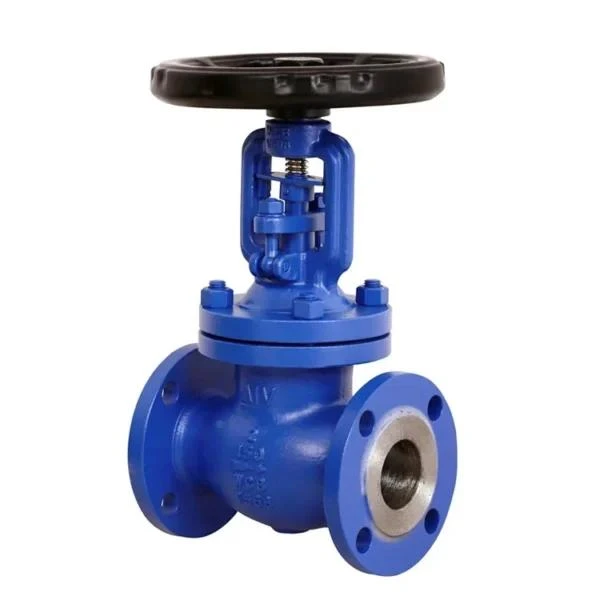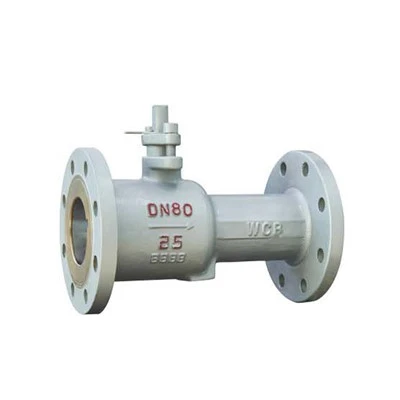

A globe valve is widely used in industrial piping systems to control and isolate fluid flow. It regulates the flow passage by positioning the disc relative to the valve seat, allowing the valve to perform both shut-off and moderate flow-control functions. Globe valves are commonly found in oil and gas, chemical processing, power generation, water systems, HVAC installations, and general industrial applications. Proper operation can improve valve performance while reducing unnecessary wear on internal components and sealing surfaces.
Before operating a globe valve, verify that the valve type, installation arrangement, and service conditions are suitable for the piping system. The valve body, connections, handwheel, stem, and actuator should be checked for visible damage or abnormal conditions. If the valve has been out of service for an extended period, the stem and packing area should also be inspected for corrosion, sticking, or leakage. Additional safety procedures may be required for high-pressure, high-temperature, or hazardous process applications.
A manually operated globe valve is typically controlled with a handwheel. To open the valve, turn the handwheel gradually in the correct direction so that the stem lifts the disc away from the seat. Smooth operation helps prevent sudden changes in pressure and flow. Once the valve reaches the fully open position, the handwheel should not be forced beyond its normal operating limit, as excessive torque may damage the stem, disc, or operating mechanism.
To close the valve, turn the handwheel steadily so that the disc moves toward the seat. Continue until the disc makes proper contact with the seat and the flow passage is effectively shut off. Excessive force should be avoided. Using an extension tool to increase the operating torque can damage the stem, sealing surfaces, or other internal components.
When flow regulation is required, the disc can be positioned at an appropriate intermediate opening. Operators should adjust the valve gradually while monitoring system pressure, flow rate, and other relevant process parameters. Although globe valves can provide useful flow-control capability, they should not normally be operated for extended periods at extremely small openings because high-velocity flow can increase erosion and wear on the disc and seat.
For globe valves equipped with pneumatic, electric, or other actuators, operation should follow the requirements of the actuator and control system. Before automatic operation, verify that the power supply, air supply, control signals, and valve position feedback are functioning correctly. If abnormal movement, leakage, unusual pressure changes, or other unexpected conditions occur, operation should be stopped and the cause investigated.
After operation, inspect the valve body, stem, packing area, and connection points for signs of leakage or other abnormalities. The pipeline pressure and flow should also be confirmed to be within the expected operating range. Regular cleaning, lubrication where applicable, and functional inspection can help maintain reliable valve performance over time.
Overall, globe valves should be operated smoothly, gradually, and without excessive force. Proper opening, closing, and flow adjustment, combined with routine inspection and maintenance, can help minimize premature wear and operating problems while supporting stable and dependable performance in industrial piping systems.