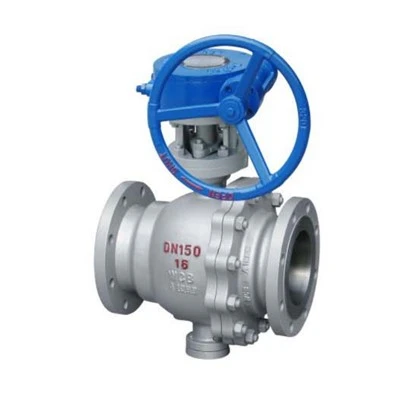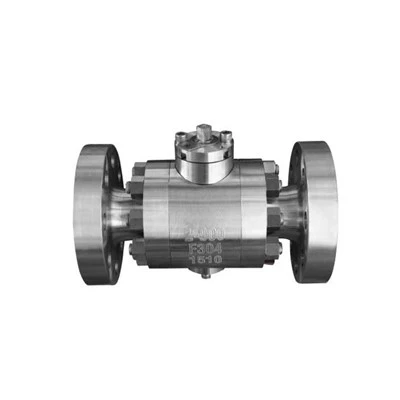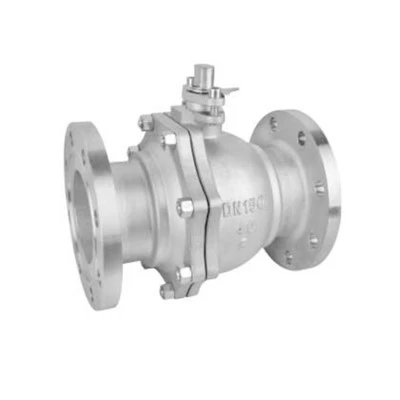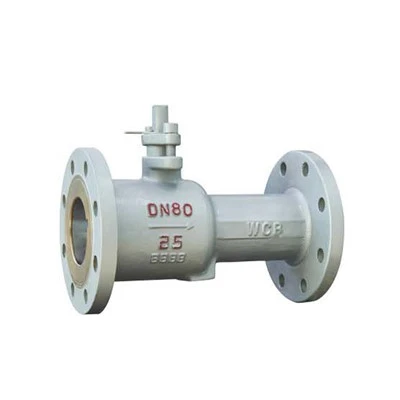

A gate valve is a widely used industrial isolation valve that controls pipeline flow by moving a gate vertically along the valve stem axis. Its established construction, relatively unobstructed flow path, low flow resistance in the fully open position, and broad application range have made it a common choice for oil and gas, chemical processing, power generation, water supply, wastewater treatment, and general industrial piping systems.
One of the defining characteristics of a gate valve is its linear opening and closing movement. When the valve is opened, the gate moves upward and clears the flow passage. Once fully raised, the gate creates little obstruction to the process medium, allowing fluid to pass through the valve with relatively low resistance. During closing, the gate moves downward into the flow passage and engages with the valve seats to isolate the pipeline.
Low pressure loss is another important advantage. In the fully open position, the gate is generally lifted away from the main flow path, leaving a relatively clear passage through the valve body. This design makes gate valves particularly suitable for applications where minimizing pressure drop and maintaining efficient flow are important considerations.
Gate valves are also known for their effective shut-off capability. The gate and seats are designed to establish a sealing interface when the valve reaches the closed position. Depending on the application, different gate configurations and seat materials can be selected. Wedge gate and parallel gate designs are available for different pressure, temperature, and process requirements.
A wide range of connection configurations is available to accommodate different piping systems. Depending on the valve design and application, gate valves may use flanged, threaded, or welded connections. They are manufactured in various sizes and pressure classes, allowing them to serve applications ranging from general utility piping to large industrial and high-pressure systems.
Gate valves are generally intended for isolation service rather than continuous flow regulation. Keeping the gate partially open for extended periods can expose the gate and seating surfaces to high-velocity flow, potentially increasing erosion, vibration, and wear. For systems that require accurate and continuous flow adjustment, a dedicated control valve is normally a better choice.
Overall, gate valves are characterized by their robust construction, low flow resistance when fully open, reliable isolation performance, and wide range of applications. Selecting the appropriate gate configuration, sealing arrangement, materials, connection type, and pressure rating according to the actual service conditions can help ensure dependable performance and a long operating life in fluid-handling systems.