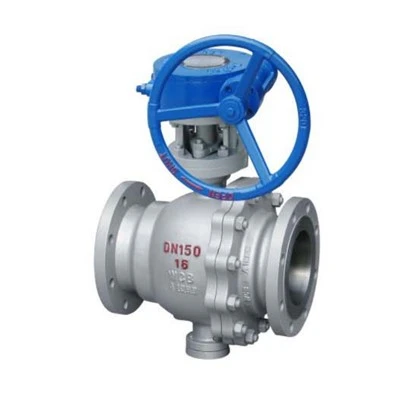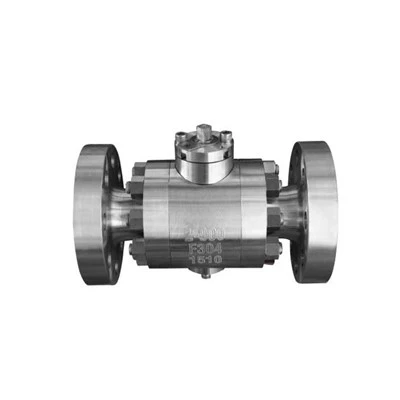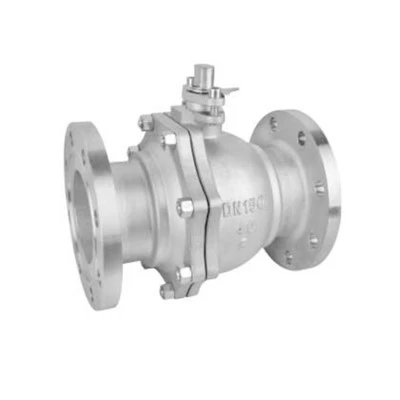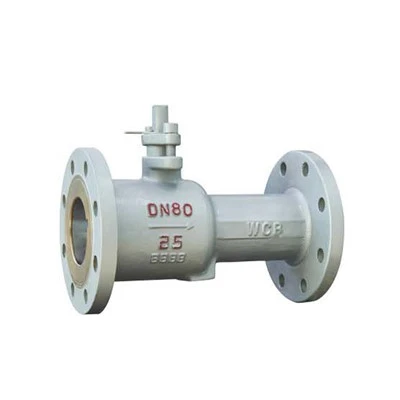

A safety valve is a critical protective device used in pressurized systems, and its purpose extends beyond simply releasing excess pressure. Its fundamental role is to respond reliably and predictably when abnormal pressure conditions occur, helping protect equipment and personnel from the consequences of overpressure. As industries such as petrochemical processing, energy, power generation, pharmaceuticals, and industrial automation continue to advance, safety valve design is placing greater emphasis on reliability, responsiveness, application compatibility, and long-term performance.
Safety is the primary principle behind safety valve design. During normal operation, the valve should maintain effective sealing and prevent unnecessary leakage of the process medium. If system pressure rises beyond the specified limit, the valve must open at the appropriate set pressure and discharge sufficient medium to reduce the pressure to a safer level. The opening and closing behavior should remain stable and predictable so that the valve can provide dependable protection when it is needed.
Reliability forms the foundation of a well-designed safety valve. These valves are often installed in pressurized systems for extended periods and may remain inactive for long intervals before being required to operate. For this reason, designers must consider the mechanical strength, material properties, and durability of critical components such as the spring, disc, seat, and valve body. Potential effects from high or low temperatures, corrosion, vibration, and process contamination should also be taken into account.
Adaptability to different service conditions is another important design consideration. Pressure systems may handle a wide range of fluids under significantly different pressure, temperature, and flow conditions. A single valve configuration cannot be expected to perform optimally in every application. Valve design should therefore be matched to the specific process medium and operating environment through appropriate selection of materials, pressure ratings, sealing arrangements, and internal geometry.
Relieving capacity is also central to the design process. During an overpressure event, a safety valve must not only open at the required pressure but also provide sufficient flow capacity to protect the equipment effectively. Appropriate flow-path geometry and valve sizing help ensure that excess pressure can be released efficiently and that the system can return toward a safe operating range.
Modern safety valve design also places greater emphasis on maintainability and lifecycle performance. Components and assemblies should be designed to facilitate inspection, testing, servicing, and replacement where required. Consistent manufacturing processes, performance verification, and quality control further contribute to dependable operation over the valve's service life.
Overall, the design philosophy of a safety valve centers on safety, supported by mechanical reliability and careful adaptation to actual operating conditions. By continuously improving structural design, material selection, pressure control, relieving capacity, testing, and maintenance practices, manufacturers can develop safety valves that provide dependable overpressure protection and serve as an effective safeguard for modern pressure equipment and industrial process systems.