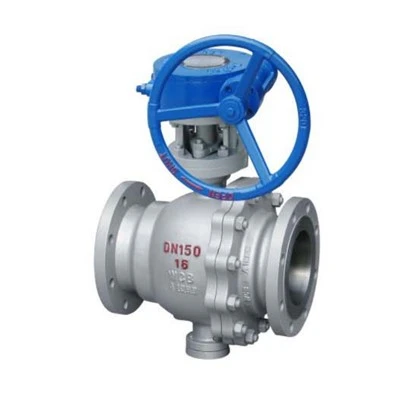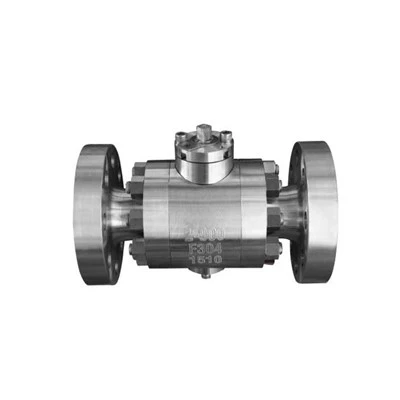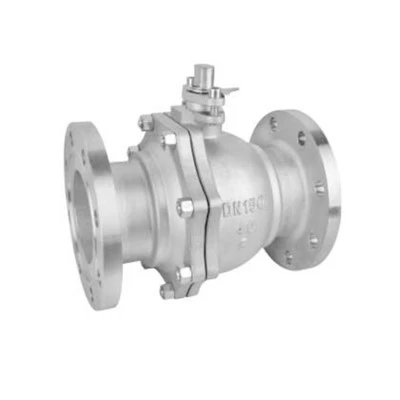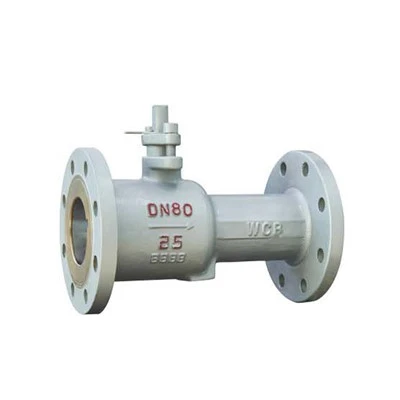

A ball valve is a quarter-turn valve that controls fluid flow by rotating a spherical closure element inside the valve body. Known for its compact design, quick operation, and reliable sealing performance, ball valves are widely used in oil and gas, chemical processing, water treatment, food and beverage, pharmaceutical, and general industrial piping systems. Their practical design and dependable performance have made them a popular choice for a wide range of fluid control applications.
One of the most notable features of a ball valve is its fast shut-off capability. The ball typically requires only a 90-degree rotation to move from the fully open position to the fully closed position. This quarter-turn operation allows the valve to isolate a pipeline quickly, making it particularly suitable for systems that require frequent operation or rapid shut-off.
Low flow resistance is another important advantage. When the valve is fully open, the bore through the ball aligns with the pipeline, creating a relatively unobstructed flow path. This design helps minimize pressure loss across the valve and can improve the efficiency of fluid transportation, especially in applications where maintaining adequate flow capacity is important.
Reliable sealing performance is a key reason for the widespread use of ball valves. When the valve is closed, the ball works closely with the valve seats to create an effective seal and reduce the risk of leakage. Different seat materials, such as PTFE, reinforced PTFE, and PEEK, can be selected according to the operating temperature, pressure, and characteristics of the process medium.
Ball valves also offer a relatively simple construction, convenient maintenance, and long service life when properly selected and operated. Depending on installation and application requirements, they are available in one-piece, two-piece, and three-piece designs, with threaded, flanged, socket-weld, or butt-weld connections. Ball valves can be operated manually with a lever handle or equipped with pneumatic or electric actuators for remote operation and automated process control.
Overall, the main characteristics of ball valves include fast quarter-turn operation, low flow resistance, dependable sealing, compact construction, and ease of operation. Selecting the appropriate valve material, design, pressure rating, seat material, and end connection according to the actual operating conditions can help ensure stable and reliable performance throughout the service life of an industrial piping system.