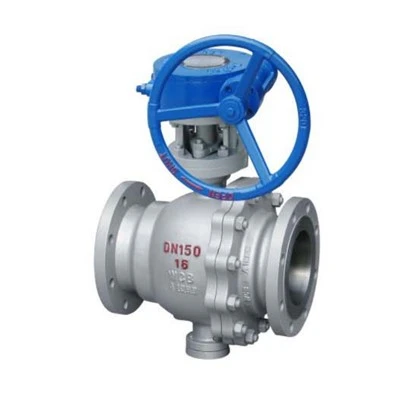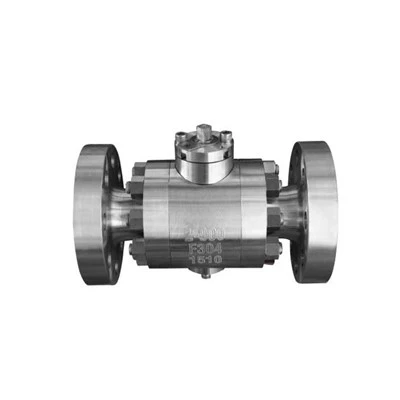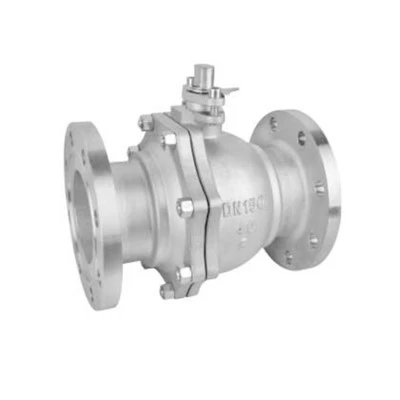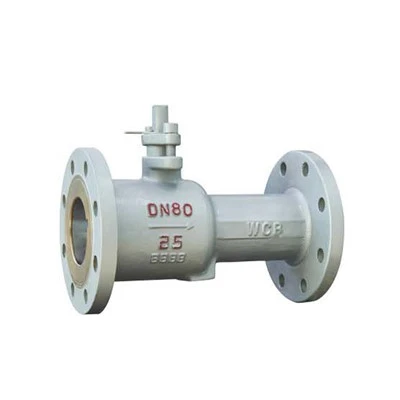

Ball valves are widely used in industrial piping systems to provide reliable flow shut-off and fluid isolation. By rotating a spherical closure element, a ball valve can quickly open or close a pipeline, making it a practical solution for a broad range of fluid control applications. Its compact design, quarter-turn operation, low flow resistance, convenient operation, and reliable sealing performance have made ball valves common across industries such as oil and gas, chemical processing, water treatment, food and beverage, pharmaceuticals, power generation, and general manufacturing.
In the oil and gas industry, ball valves are commonly used for the transportation and isolation of crude oil, natural gas, and other process fluids. Their fast quarter-turn operation allows pipelines and equipment to be isolated efficiently when required. Valve materials, pressure ratings, and construction can be selected according to the properties of the medium, operating conditions, and installation environment.
Chemical processing applications often require valves with strong corrosion resistance, reliable sealing, and stable performance. Ball valves can be manufactured from stainless steel, alloy materials, and other suitable materials to handle different chemical media. They may be installed on process pipelines, storage tanks, reactors, transfer lines, and other equipment where dependable fluid isolation is required.
In water treatment and water supply systems, ball valves are frequently used for pipeline isolation, equipment shut-off, and fluid transfer control. Their straightforward operation and relatively simple maintenance make them suitable for industrial water, cooling water, circulating water, and wastewater treatment systems.
The food, beverage, and pharmaceutical industries place particular emphasis on hygiene, material compatibility, and ease of cleaning. Stainless steel ball valves designed for sanitary applications can be used to handle liquid ingredients, beverages, purified water, and other process fluids. For systems that require regular cleaning, inspection, or maintenance, valve designs with convenient disassembly can provide additional operational benefits.
Ball valves are also used in HVAC systems, boiler installations, energy equipment, compressed-air systems, and various industrial machines. Where automated operation is required, pneumatic or electric actuators can be installed to enable remote control and integration with automated process systems.
Overall, ball valves offer a versatile solution for fluid isolation across a wide range of industrial environments. Selecting the appropriate valve requires careful consideration of the process medium, operating pressure, temperature, flow requirements, end connection, materials, and operating method. Proper selection helps ensure safe, stable, and efficient performance throughout the service life of the piping system.