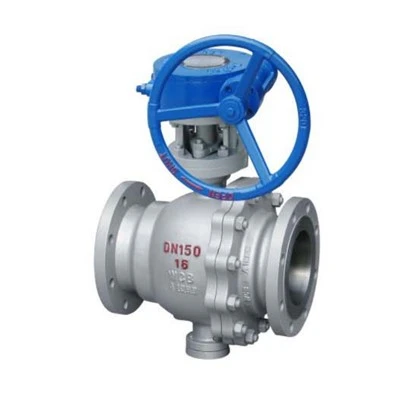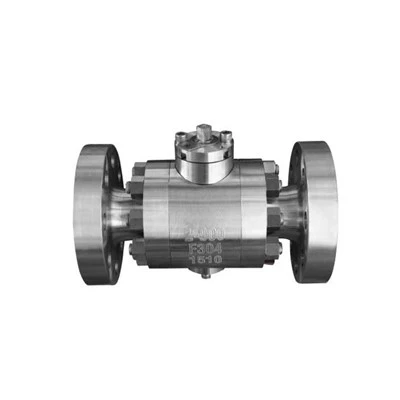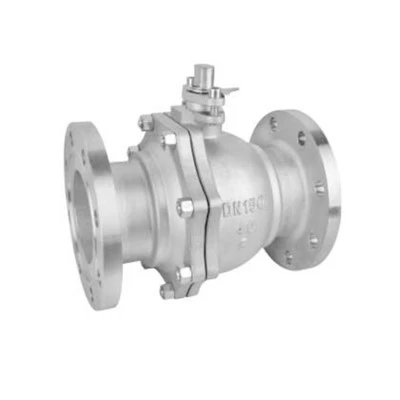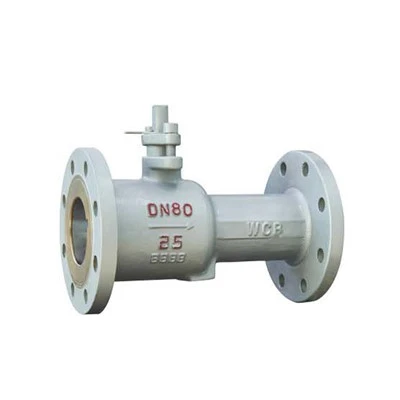

A ball valve is a rotary valve that controls fluid flow by turning a spherical closure element inside the valve body. Known for fast quarter-turn operation, reliable sealing, relatively low flow resistance, and convenient operation, ball valves are widely used in industrial piping systems. Depending on body construction, ball support, end connection, actuation method, materials, and application requirements, ball valves are available in a wide range of designs. Understanding these differences can help users select the right valve for specific operating conditions.
Based on valve body construction, common designs include one-piece, two-piece, and three-piece ball valves. One-piece ball valves feature a compact construction and relatively small overall dimensions, making them suitable for general flow isolation applications. Two-piece ball valves are widely used in industrial piping and equipment because of their practical design and broad application range. Three-piece ball valves are designed for convenient disassembly, allowing easier inspection, cleaning, and replacement of internal components. They are particularly useful in applications where regular maintenance is required.
Ball valves can also be classified according to how the ball is supported. Floating ball valves use a ball that is not mechanically fixed to the stem in a way that prevents axial movement. Under pressure, the ball is pushed toward the downstream seat, creating an effective seal. Their relatively simple construction makes them suitable for many low- and medium-pressure applications. Trunnion-mounted ball valves use additional mechanical support to hold the ball in position. This design reduces the operating torque required for larger valves and is commonly used in high-pressure or large-diameter piping systems.
End connections provide another important classification. Ball valves are available with threaded, flanged, socket-weld, and butt-weld ends. Threaded ball valves are convenient for installation and are commonly used on smaller pipelines. Flanged ball valves allow easier installation and removal, making them suitable for many industrial piping systems. Welded-end ball valves provide a strong and permanent connection and are often selected where a high level of joint integrity is required.
Ball valves can also be classified by their actuation method. Manual ball valves are operated with a handle and are suitable for straightforward on-off service. Pneumatic ball valves use compressed air to provide fast and repeatable operation, making them suitable for automated industrial processes. Electric ball valves use electric actuators and can be integrated with control systems for remote operation and automated process management.
In addition, ball valves are available in different materials and application-specific designs, including stainless steel ball valves, carbon steel ball valves, sanitary ball valves, high-temperature ball valves, and valves engineered for specialized process media. Each configuration offers different performance characteristics and is intended for particular service conditions.
When selecting a ball valve, users should consider the process medium, operating pressure, temperature, pipeline size, end connection, operating frequency, and automation requirements. Choosing a valve design that matches the actual application helps ensure reliable performance, safe operation, and long service life in industrial piping systems.